
This post may contain affiliate links. As an amazon associate, I earn from qualifying purchases. See my full Disclosure Policy for details.

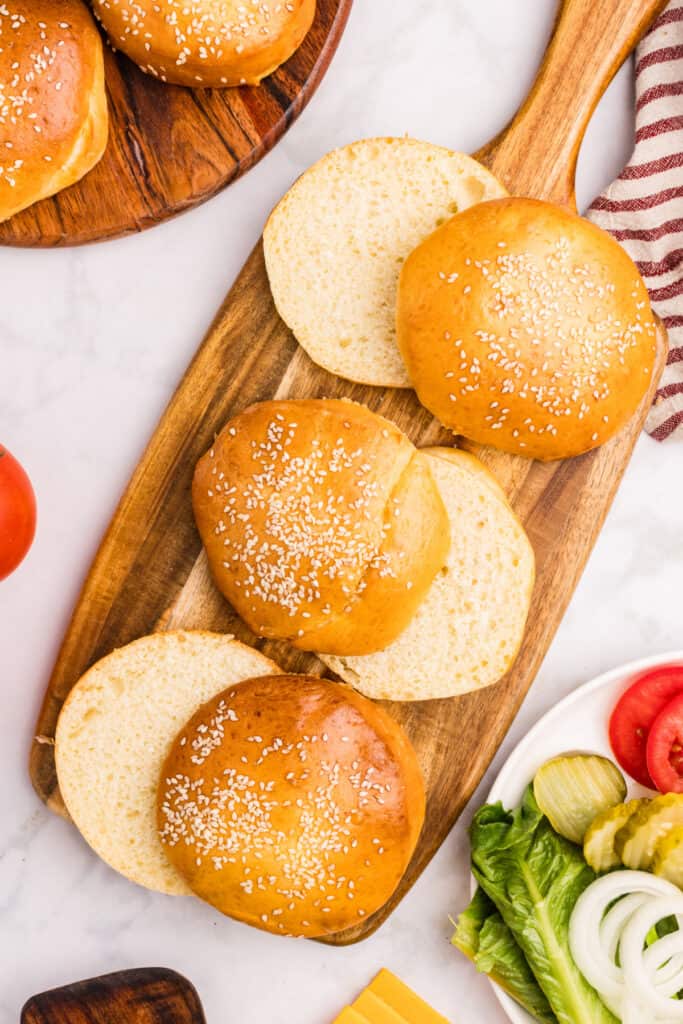
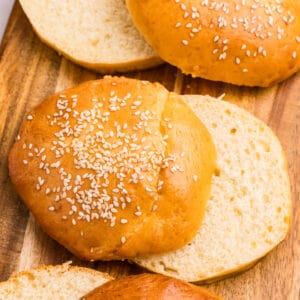
Nothing beats the smell of fresh bread baking in the oven, especially when it’s a batch of homemade hamburger buns. Soft, buttery, and perfectly fluffy, these buns have just enough structure to hold juicy burgers, pulled pork, sloppy joes, or even deli sandwiches without falling apart.
Want to see more Love Bakes Good Cakes recipes on Google?
If you’ve only ever bought buns from the grocery store, you’re in for a treat. This hamburger buns recipe uses pantry staples to create bakery-style buns with a tender crumb, beautiful golden tops, and just the right amount of chew. Once you try these, you’ll find yourself looking for excuses to bake them again.
Whether you’re planning a backyard cookout, family dinner, or meal prep for the week, this homemade hamburger buns recipe is one you’ll come back to again and again.
Table of Contents
- ❤️ Why You’ll Love This Recipe
- What Makes These Homemade Hamburger Buns So Good?
- Why This Recipe Works
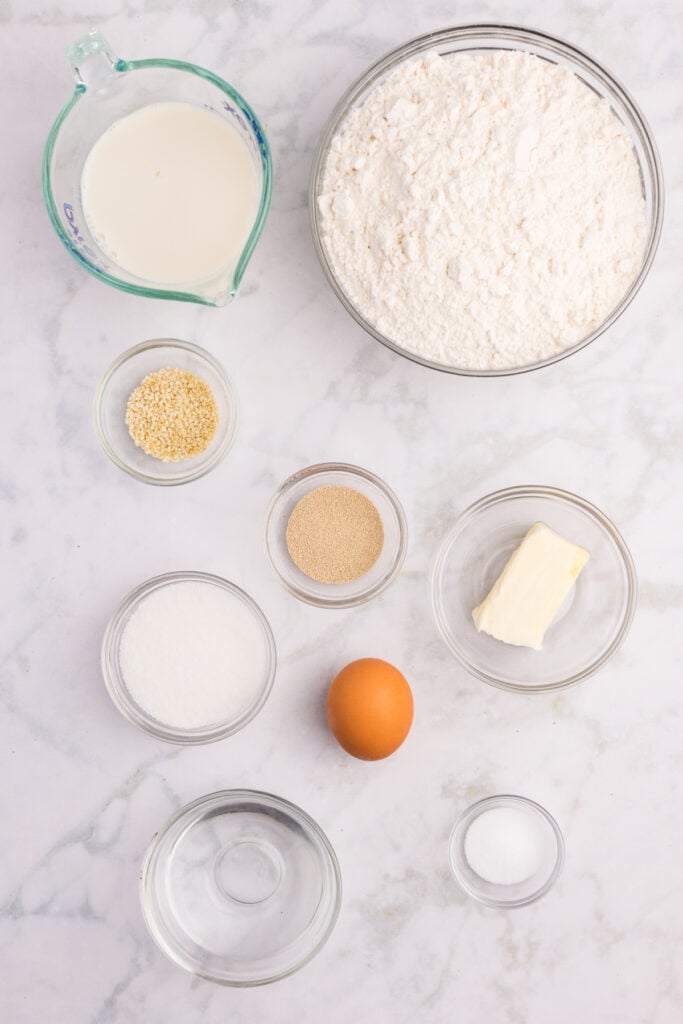
- Key Ingredients
- Ingredients & Substitutions
- Variations
- Tips for Best Results
- FAQs
- Storage
- Freezing
- How to Make Homemade Hamburger Buns
- Make Ahead
- What to Serve with Homemade Hamburger Buns
- If You Enjoyed Homemade Hamburger Buns
- 📌 Save This Recipe
- Homemade Hamburger Buns Recipe
- 🥡 Storage
- ♨️ Reheating
- ❄️ Freezing
- 💡 Tips for Best Results
- 🍳 Alternate Cooking Methods
- ♻️ Leftovers
- 📝 Notes
- 🍽️ Other Recipes You May Enjoy
❤️ Why You’ll Love This Recipe
- Soft, fluffy texture with a buttery flavor
- Perfect for burgers, sandwiches, and sloppy joes
- Made with simple pantry ingredients
- Holds together without becoming tough
- Freezes beautifully
- Easy enough for beginner bread bakers
- Better than anything you’ll find at the grocery store
What Makes These Homemade Hamburger Buns So Good?
The secret is balancing softness with strength.
Many homemade buns are either too dense or so delicate they fall apart after one bite. This hamburger bun recipe creates a dough enriched with milk, butter, and eggs for tenderness, while allowing enough gluten development to produce buns sturdy enough for hearty burgers.
The result is a bun that’s soft inside, lightly chewy outside, and stays fresh for days.
Why This Recipe Works
Milk, butter, and eggs create an enriched dough that stays soft longer than lean bread doughs. The combination gives these homemade hamburger buns their tender crumb while still allowing enough gluten development for structure. The two-stage rise develops flavor and produces light, airy buns with an even texture.
Key Ingredients
NOTE: This section highlights ingredients used in the recipe. Find the full printable recipe in the recipe card below.
Active dry yeast
Helps the dough rise and gives the buns their light, fluffy texture.
Warm water
Activates the yeast. The water should be warm, not hot, to encourage proper rising.
Granulated sugar
Feeds the yeast and adds a touch of sweetness for better flavor and browning.
Milk
Adds richness and helps create a soft, tender crumb.
Unsalted butter
Provides flavor and keeps the buns soft and moist.
Eggs
Add structure, richness, and contribute to the buns’ golden color.
Salt
Enhances the flavor and helps control yeast activity for a better rise.
All-purpose flour
Forms the buns’ structure while keeping them soft and sturdy enough for burgers.
Sesame seeds (optional)
Add classic burger bun flavor, texture, and visual appeal.
Ingredients & Substitutions
NOTE: This section suggests substitutions. Find the full printable recipe in the recipe card below.
- Active dry yeast – Instant yeast may be substituted in equal amounts with no other changes.
- Warm water – Filtered, bottled, or tap water all work well. Keep the temperature around 90 to 110 degrees F.
- Granulated sugar – Feeds the yeast while adding a subtle sweetness. Honey or molasses may be substituted, but the dough may require a little more flour and will have a different flavor and color.
- 2% milk – Whole milk, 1%, skim, or even dairy-free milk alternatives work well.
- Unsalted butter – Salted butter may be substituted. If using salted butter, reduce the salt to 1 teaspoon. Margarine also works.
- Salt – Fine sea salt or table salt both work well.
- All-purpose flour – Bread flour can be substituted for a slightly chewier bun with more structure.
- Eggs – One egg enriches the dough while the second creates a shiny egg wash. The egg wash is optional but recommended.
- Sesame seeds – Completely optional. You can also use poppy seeds or Everything Bagel seasoning.
Variations
- Brioche-Style Buns – Add an extra egg yolk for an even richer dough.
- Everything Buns – Replace sesame seeds with Everything Bagel seasoning.
- Onion Buns – Sprinkle dried minced onion over the egg wash before baking.
- Whole Wheat – Replace up to half of the all-purpose flour with whole wheat flour.
- Slider Buns – Divide the dough into 24 equal portions for mini sandwich buns.
Tips for Best Results
- Use a kitchen scale whenever possible for the most accurate measurements.
- The dough should feel slightly sticky but not wet.
- Resist adding too much flour. Softer dough makes softer buns.
- Allow both rises to finish completely for the fluffiest texture.
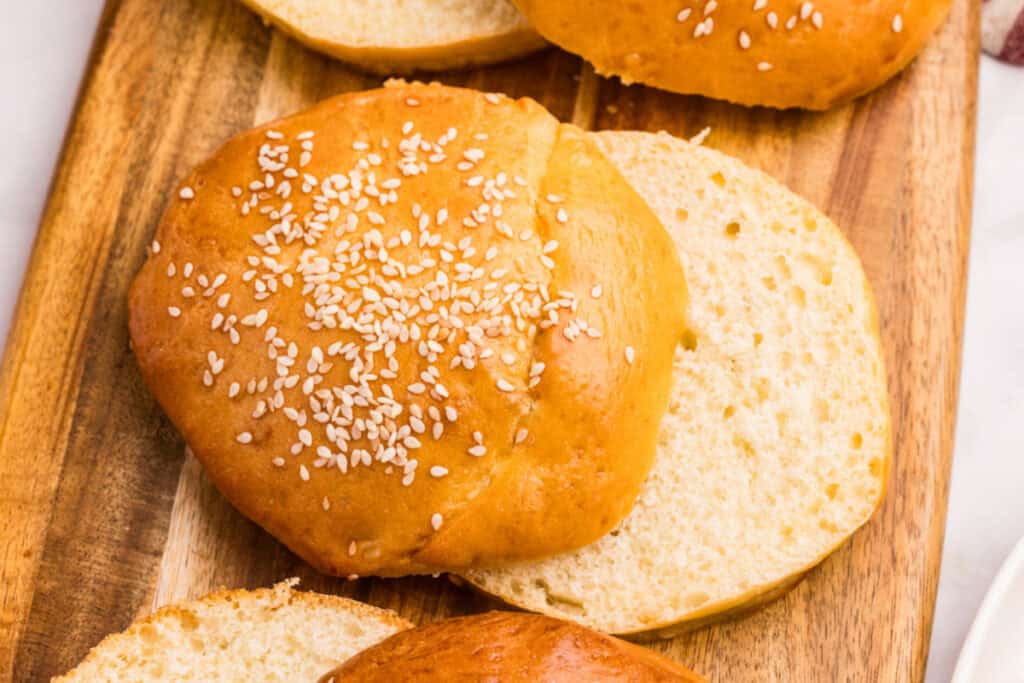
- Cool completely before slicing.
- Brush with egg wash for shiny bakery-style tops.
- For softer crusts, loosely cover the warm buns with a clean kitchen towel as they cool.
FAQs
Yes. Instant yeast can be substituted one-for-one. You can mix it directly into the flour if you prefer, although blooming it first won’t hurt anything.
Absolutely. Mix the dough by hand and knead it for about 10 to 12 minutes until smooth and elastic.
Too much flour is the most common cause. Measuring by weight is the easiest way to ensure soft, fluffy buns. Under-proofing can also result in dense bread.
Old yeast, liquid that’s too hot, or a room that’s too cool are the most common reasons.
Yes. After the first rise, punch the dough down, wrap well, and freeze for up to one month. Thaw overnight in the refrigerator before shaping.
Yes. Divide the dough into 12 equal portions and shape each into a log instead of a round.
Bread dough should be slightly sticky. Avoid adding flour unless the dough is excessively wet and won’t hold together.
Yes. The buns simply won’t have the shiny golden bakery finish.
Dividing the dough into 12 equal portions creates buns that fit most standard hamburger patties.
Yes. Bread flour produces slightly chewier buns with a bit more structure while still staying soft.
Storage
Store cooled buns in an airtight container or zip-top bag at room temperature for up to 3 days.
For longer storage, refrigerate them for up to 5 days.
Freezing
These buns freeze exceptionally well.
Freeze cooled buns in a freezer-safe bag for up to 3 months. Thaw at room temperature before serving.
How to Make Homemade Hamburger Buns
NOTE: This section includes a step-by-step guide. Find the full printable recipe in the recipe card below.
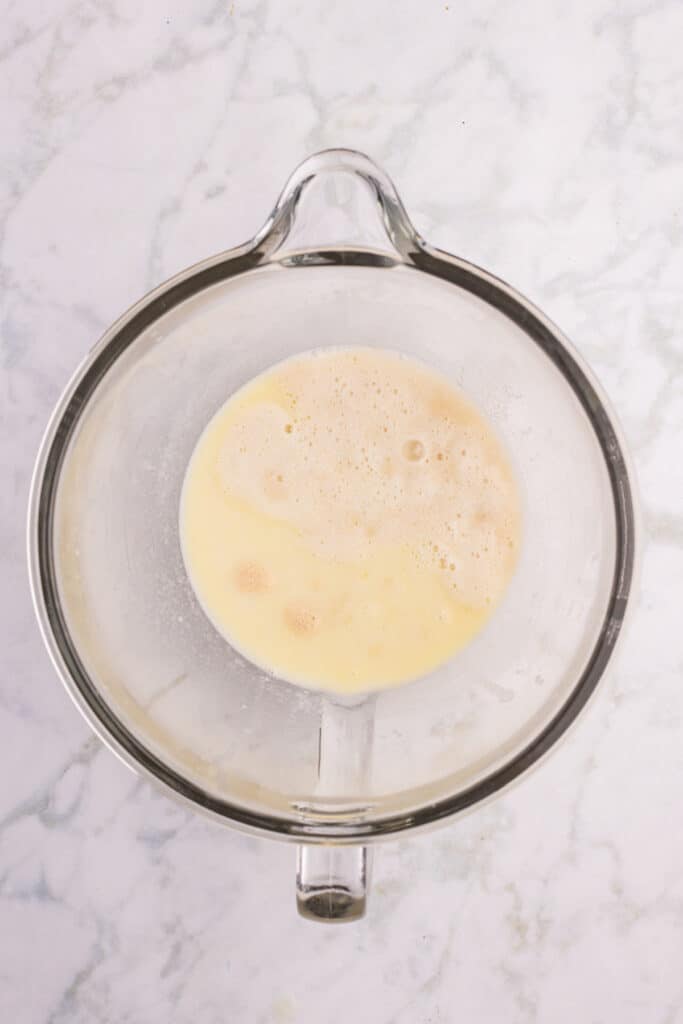
Quick Step 1
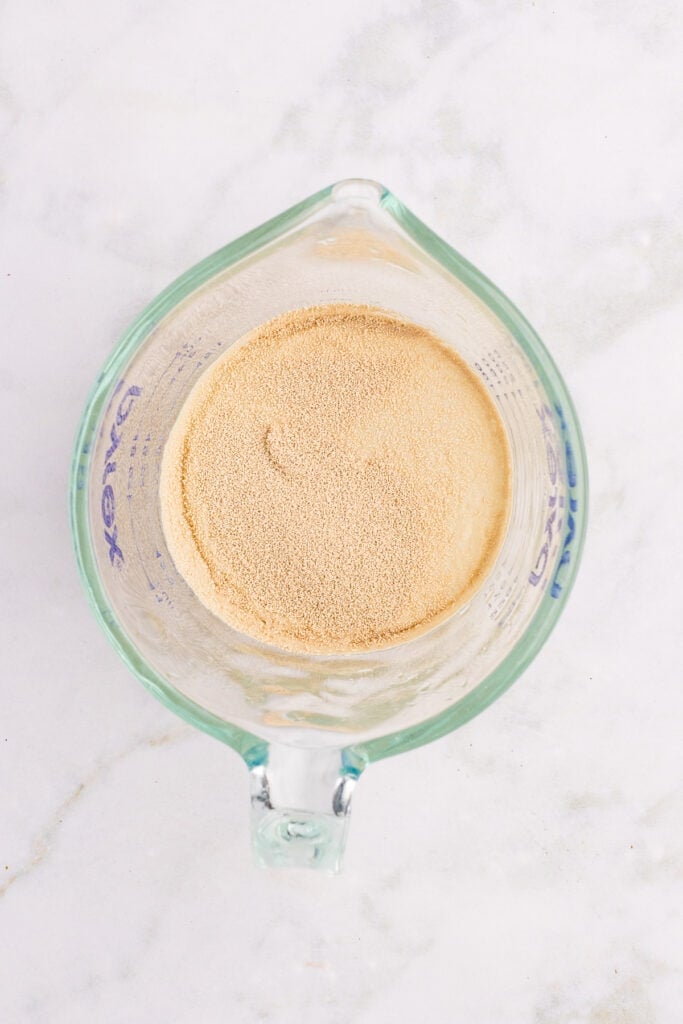
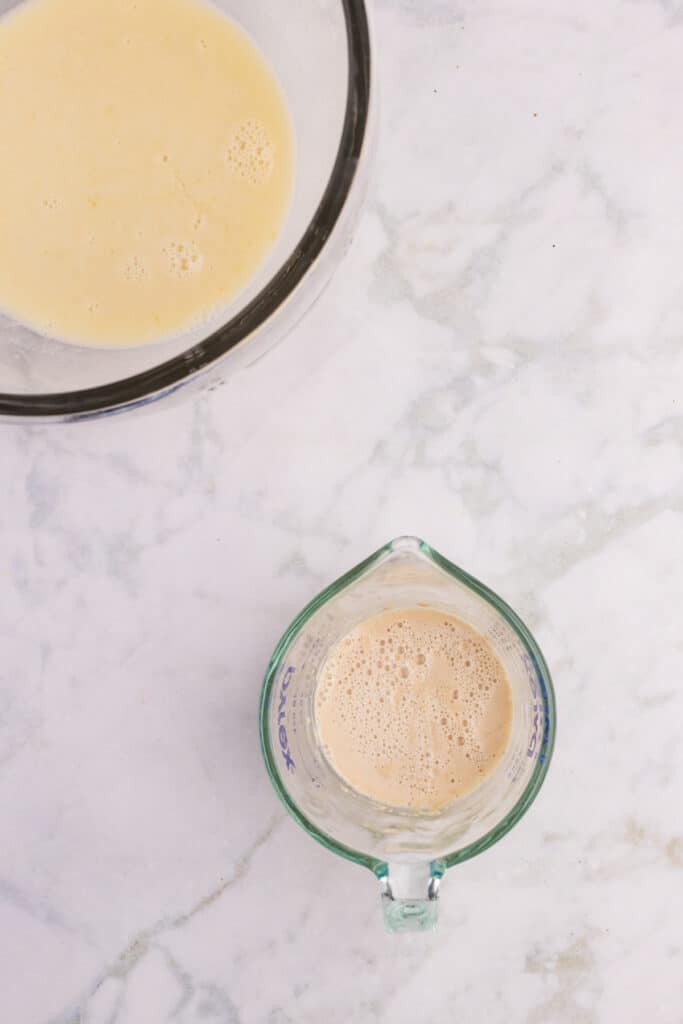
Bloom the yeast in warm water with a little sugar until foamy.
Quick Step 2
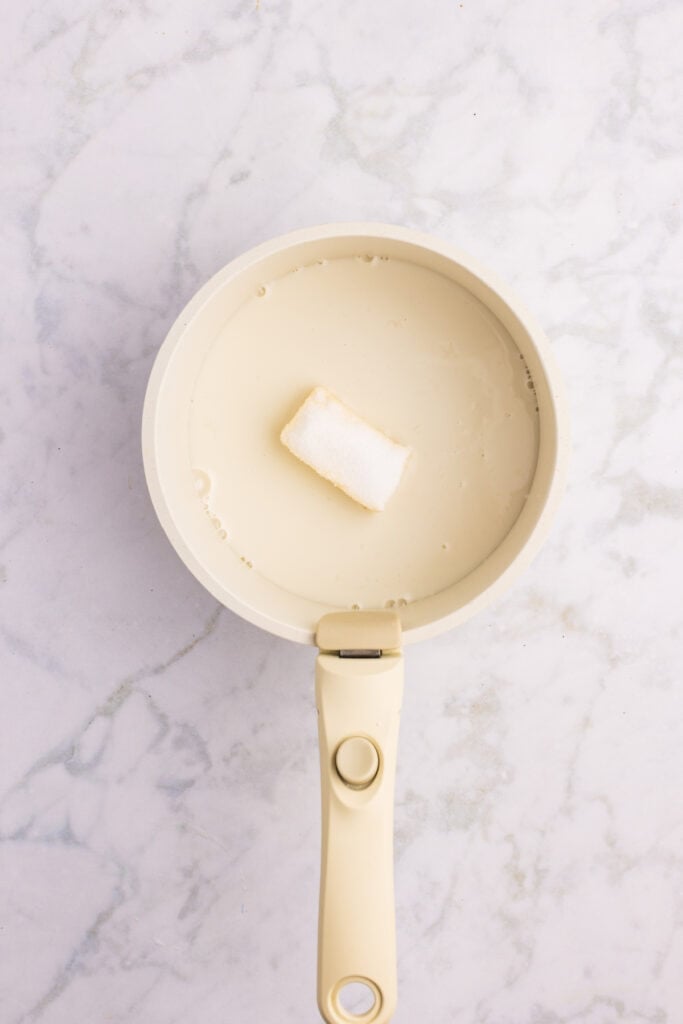
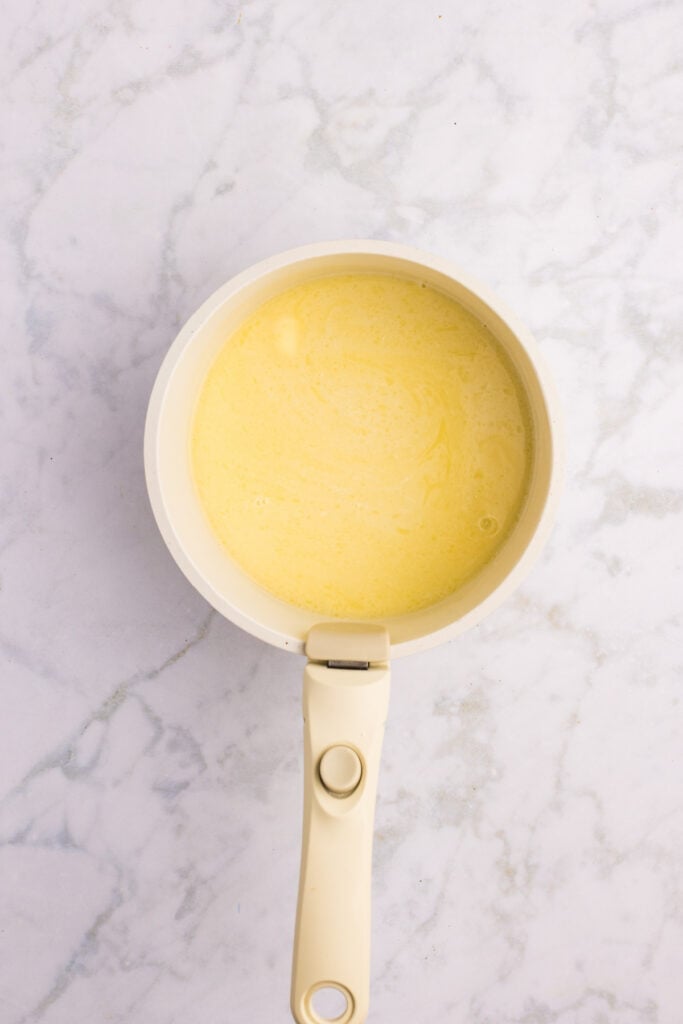
Warm the milk, butter, remaining sugar, and salt until the butter begins melting.
Would you like to save this?
Quick Step 3
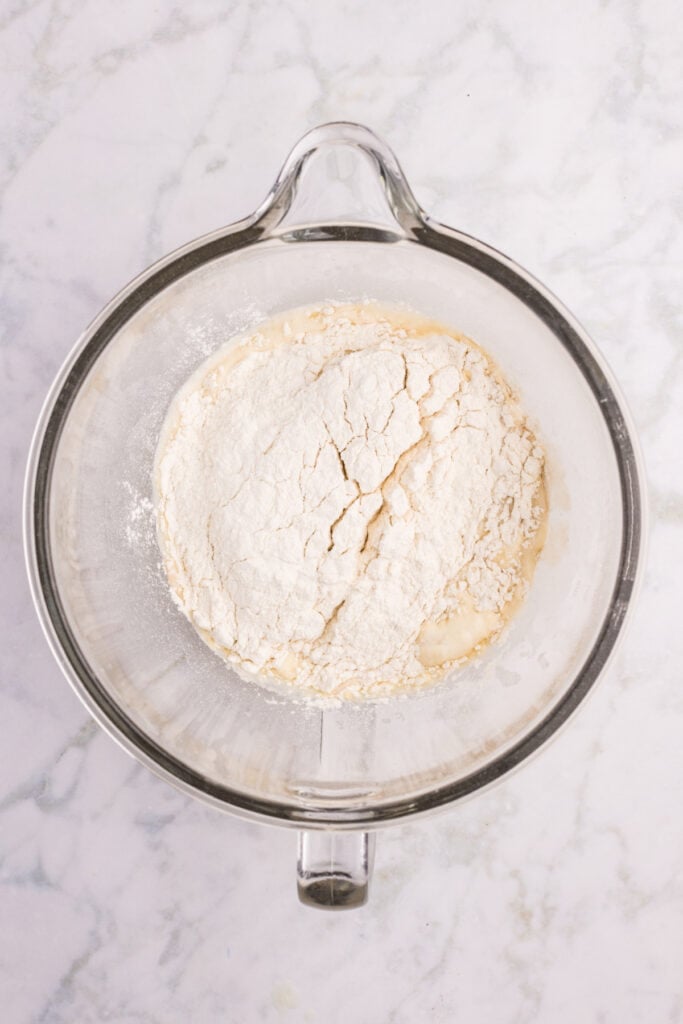
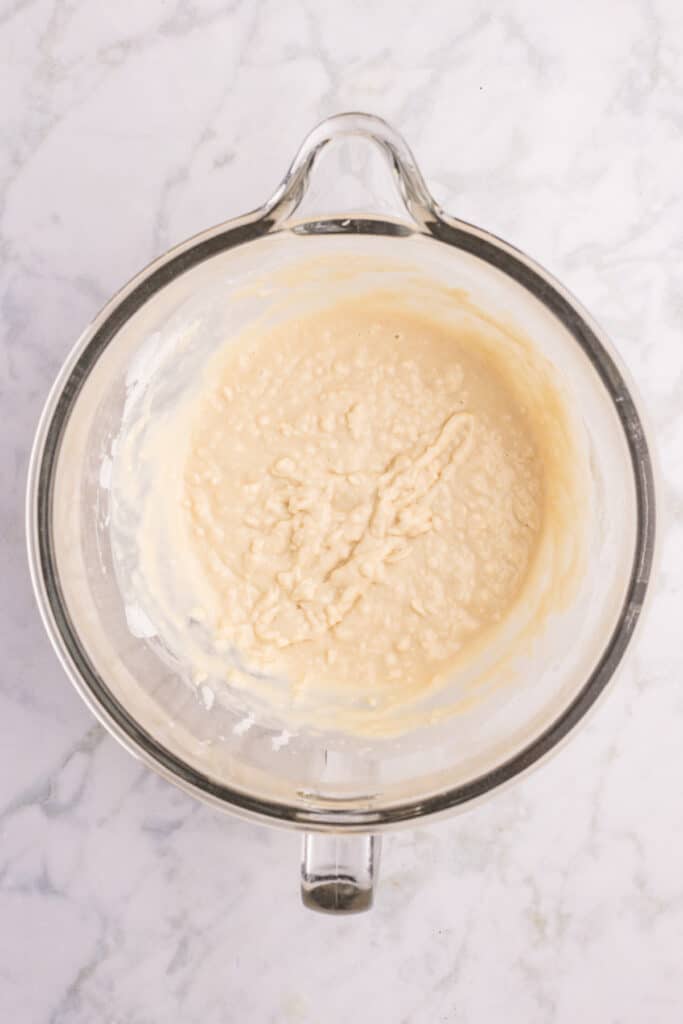
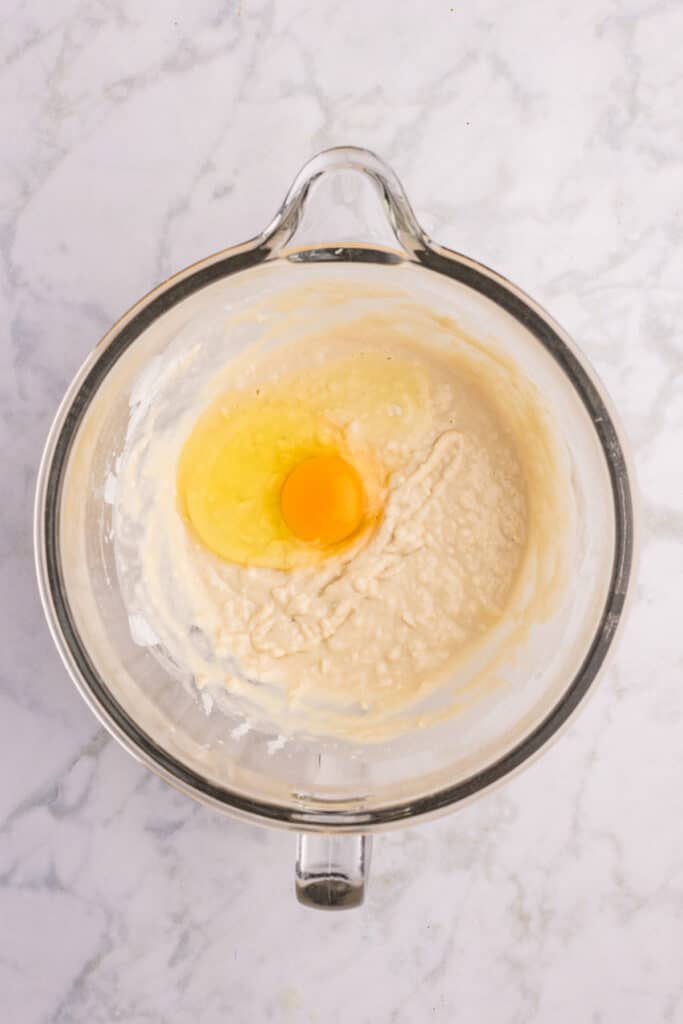
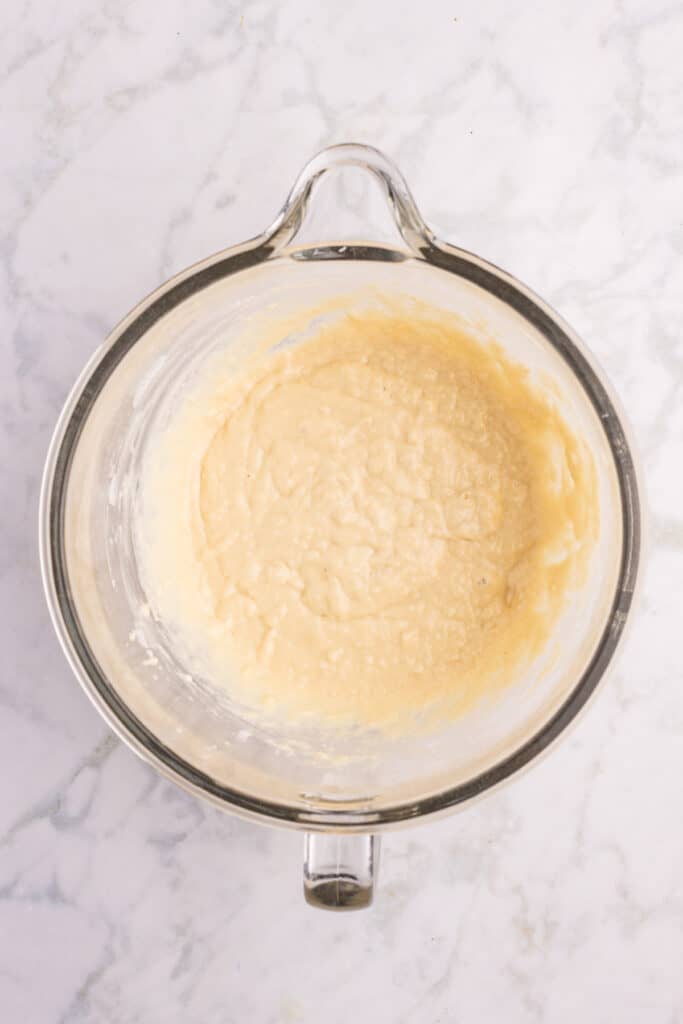
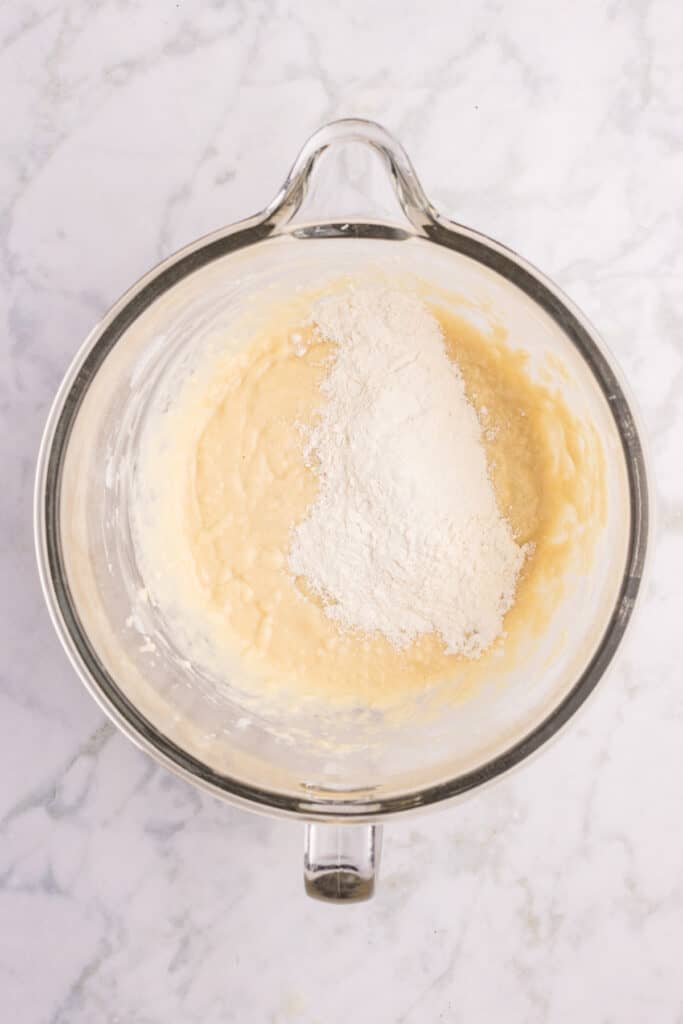
Combine the wet ingredients with the flour and one egg.
Quick Step 4
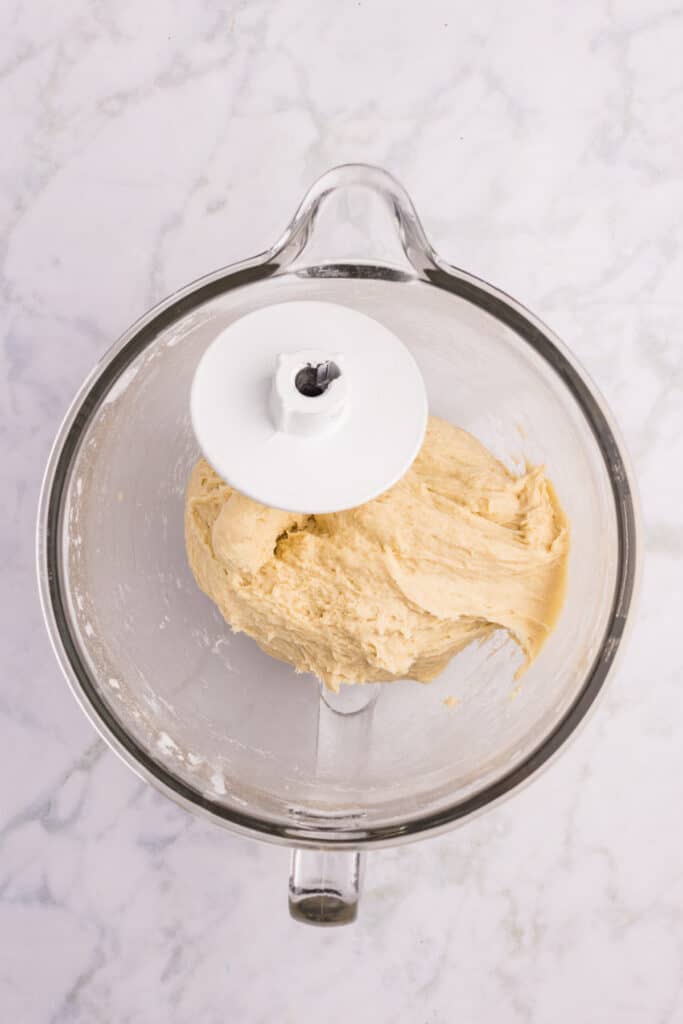
Knead until the dough becomes smooth, elastic, and slightly tacky.
Quick Step 5
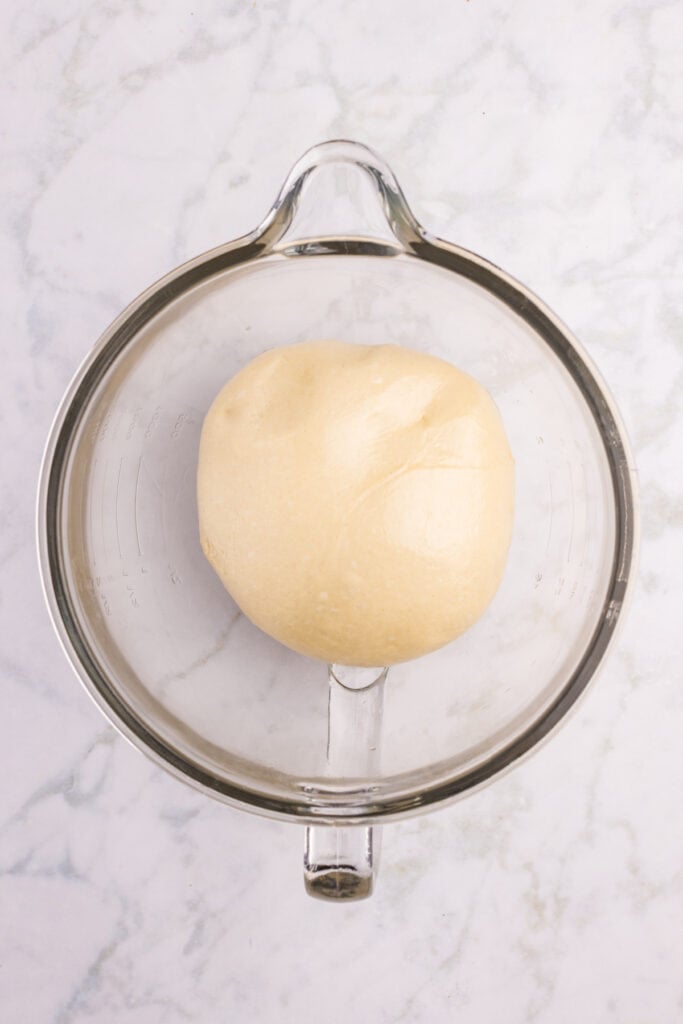
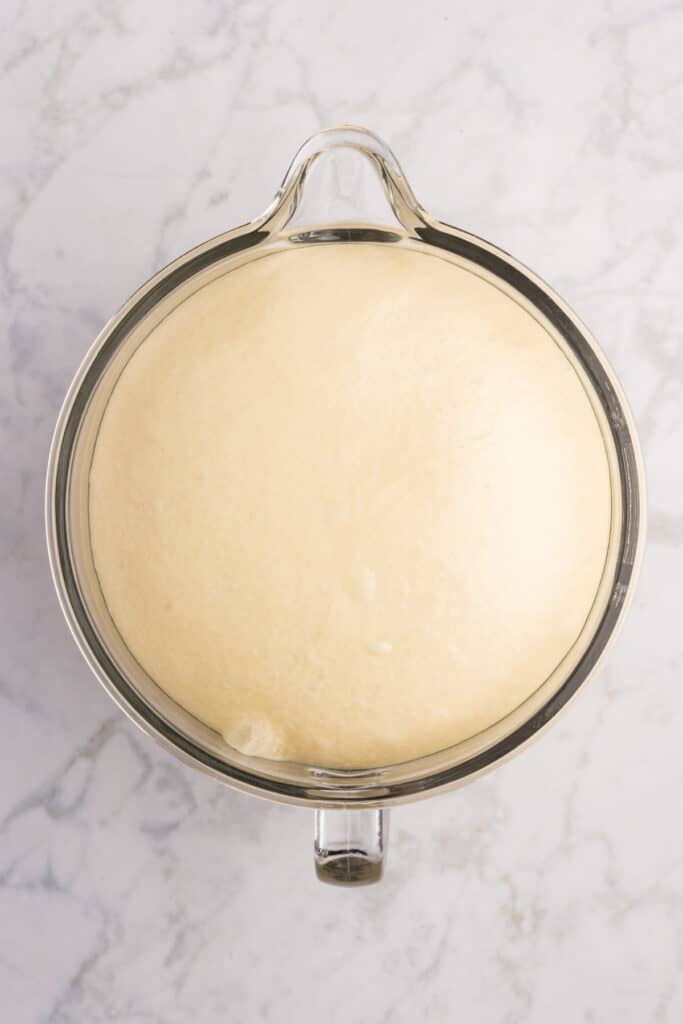
Allow the dough to rise until doubled.
Quick Step 6
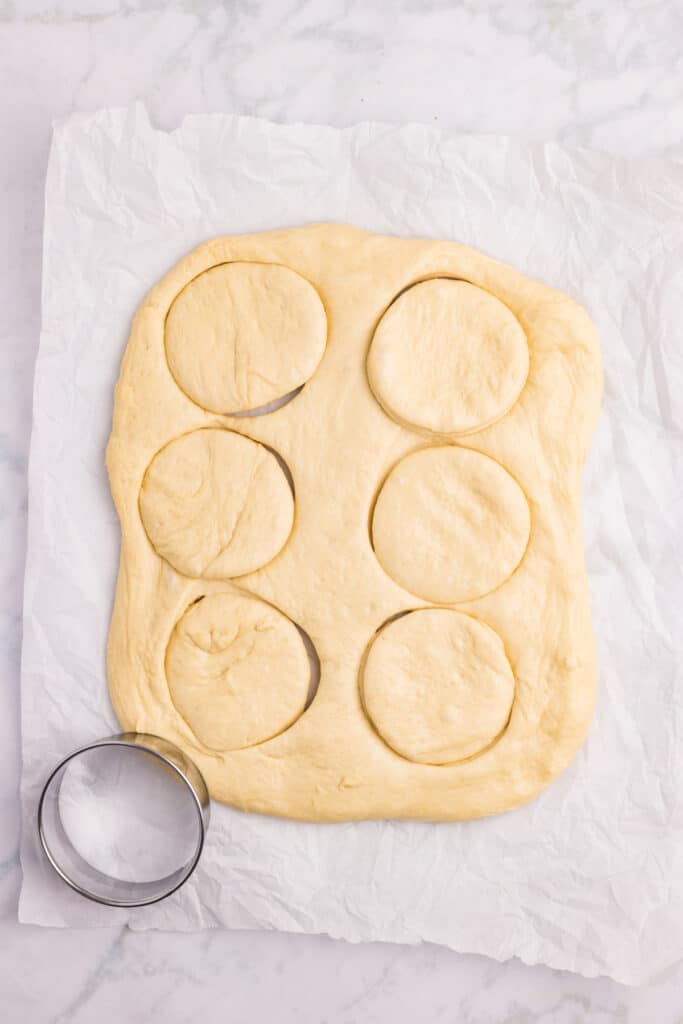
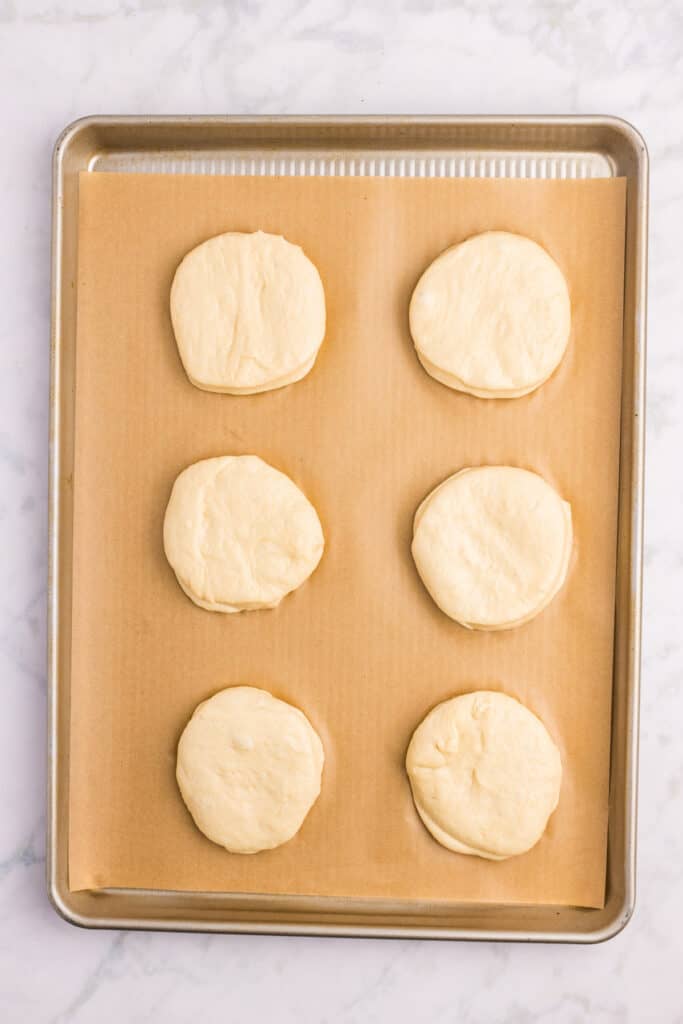
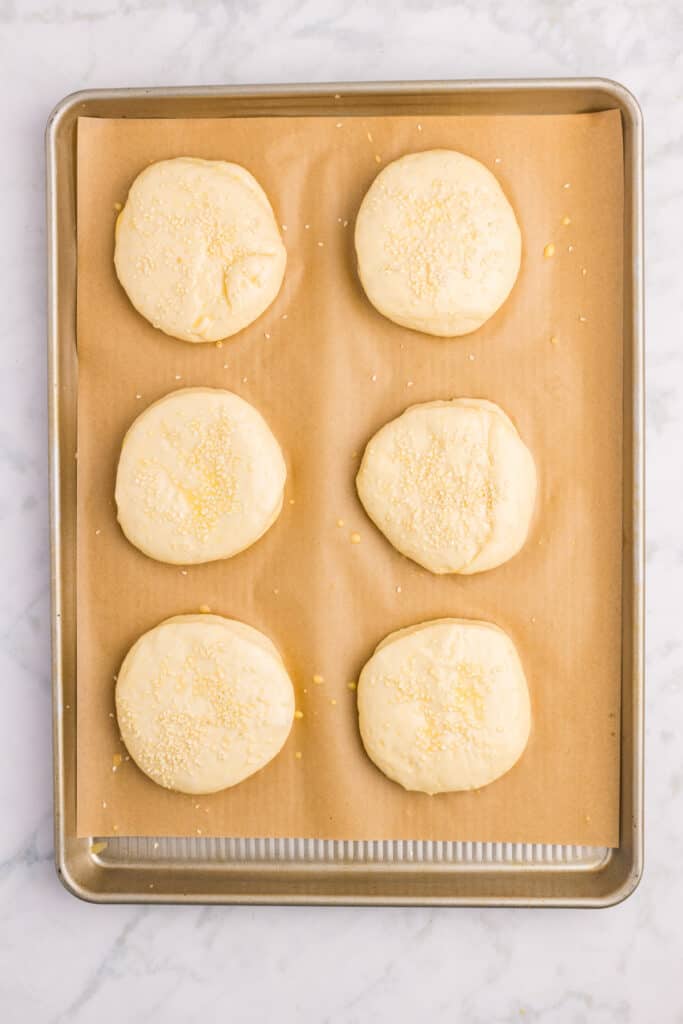
Shape into 12 buns and let them rise again.
Quick Step 7
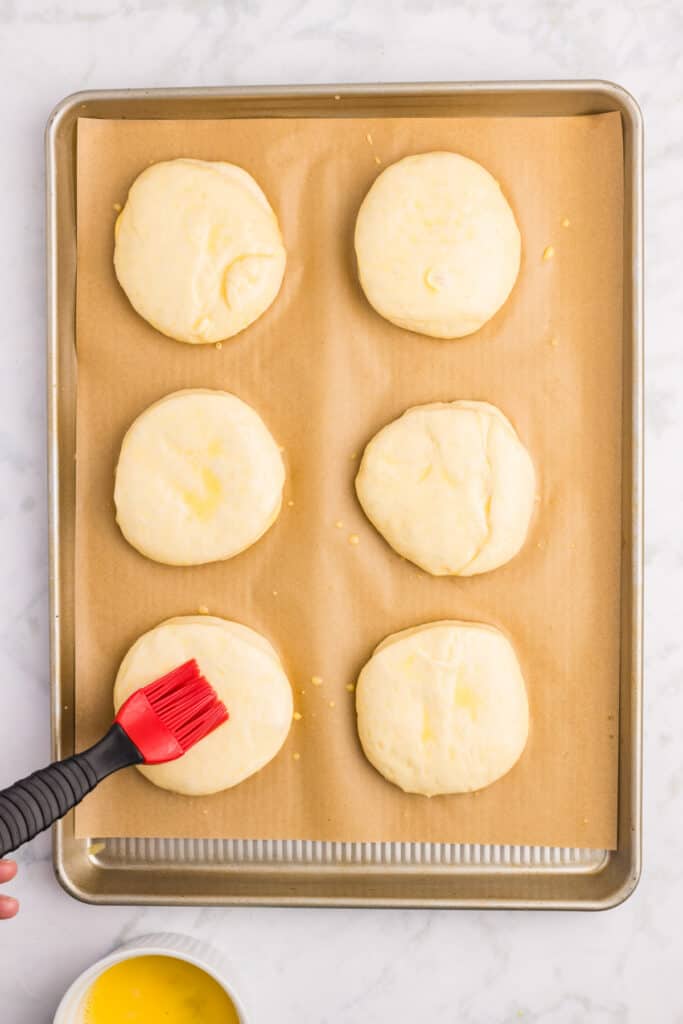
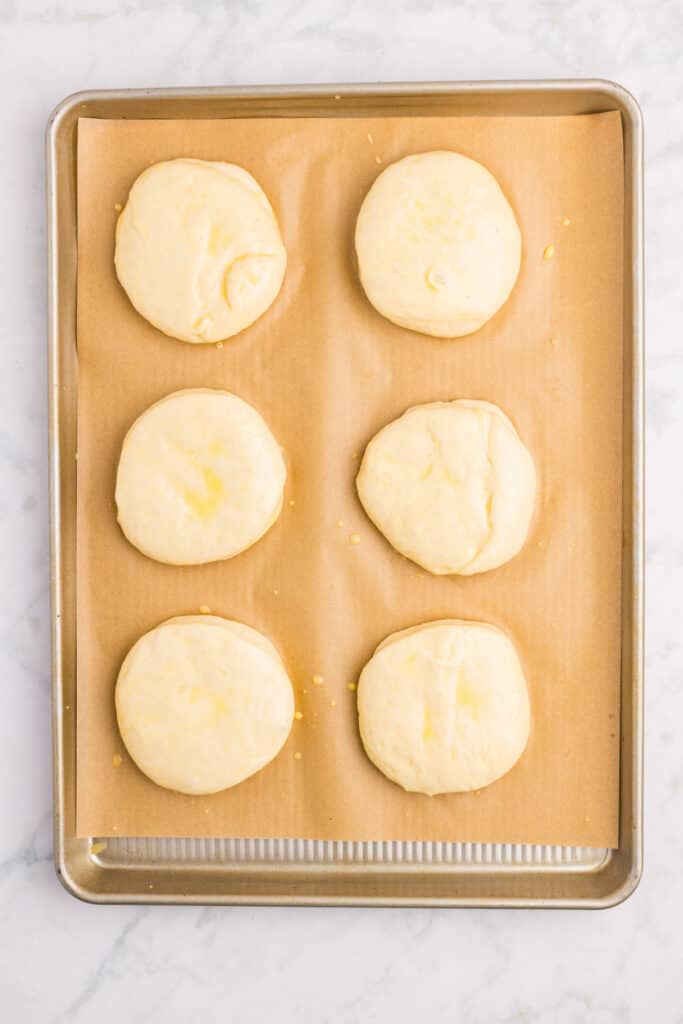
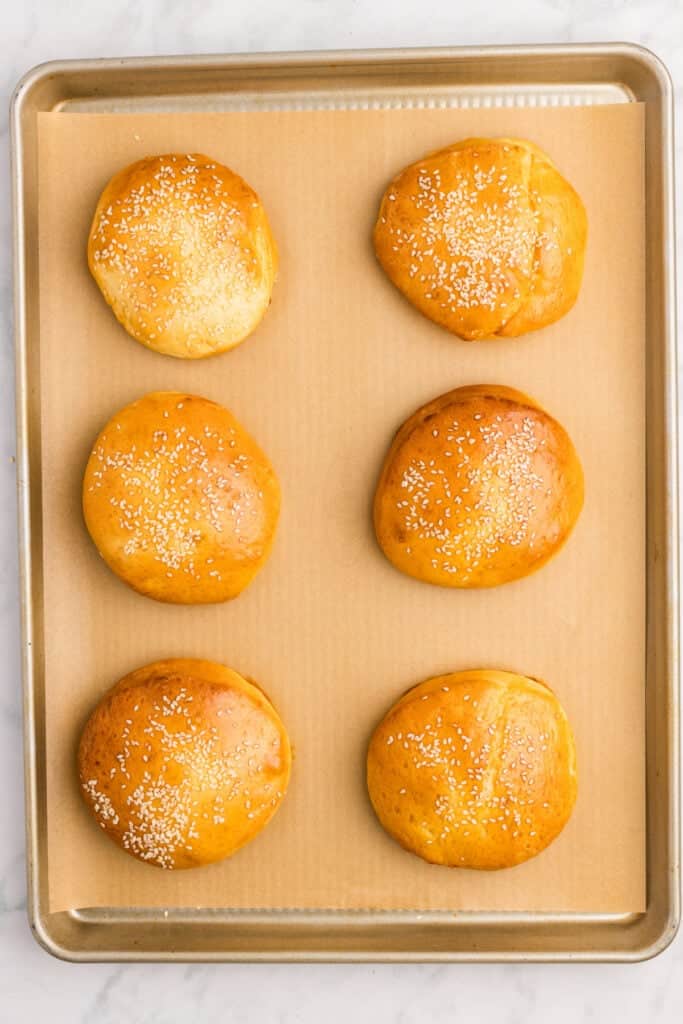
Brush with egg wash, sprinkle with sesame seeds if desired, and bake until golden brown.
Make Ahead
You can prepare the dough the night before.
After the first rise, cover the bowl tightly and refrigerate overnight. The next day, let the dough warm for about 30 to 45 minutes before shaping. Continue with the second rise and bake as directed.
You can also shape the buns, refrigerate overnight, then allow them to finish rising before baking.
What to Serve with Homemade Hamburger Buns
These buns are incredibly versatile. Try them with:
- classic cheeseburgers
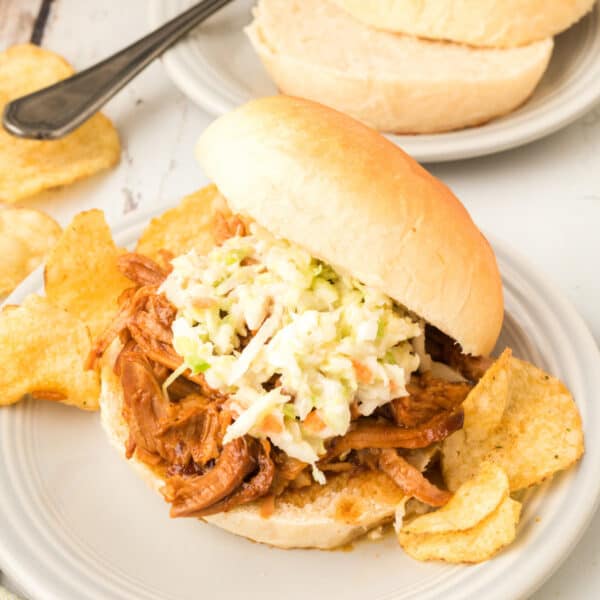
- pulled pork sandwiches
- sloppy joes
- grilled chicken sandwiches
- barbecue brisket
- veggie burgers
- crispy chicken sandwiches
- deli sandwiches
- breakfast sandwiches
If You Enjoyed Homemade Hamburger Buns
Once you make your own Homemade Hamburger Buns, it is hard to go back to the store-bought kind. They’re soft, sturdy enough to hold juicy burgers, and versatile enough for sandwiches, sloppy joes, pulled pork, or even breakfast sandwiches. Keep a batch in the freezer, and you’ll always be ready for an easy weeknight meal.
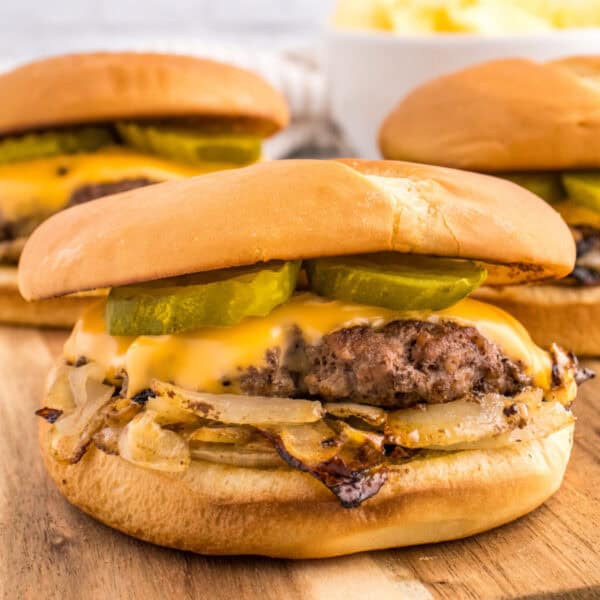
These buns are the perfect foundation for some of your favorite sandwiches. Try them with my Venison Burgers for a hearty homemade burger night, or pile them high with Slow Cooker Italian Beef Sandwiches for an easy family dinner. They also pair perfectly with my BBQ Pulled Pork Sandwiches or classic Sloppy Joes when you’re feeding a crowd.
Don’t stop there. These buns are also delicious with Copycat Red Robin Whiskey River BBQ Burgers, topped with my Homemade BBQ Sauce, or served alongside a basket of Loaded Bacon and Cheese Fries for the ultimate burger night spread. However you serve them, these homemade buns make every sandwich feel a little more special.
📌 Save This Recipe
This is one of those recipes you’ll want to keep handy for every grilling season and burger night. Save it to your favorite Pinterest bread board so you’ll always have the recipe for homemade hamburger buns ready whenever you need fresh, bakery-style buns.
Pin this now to find it later
Pin It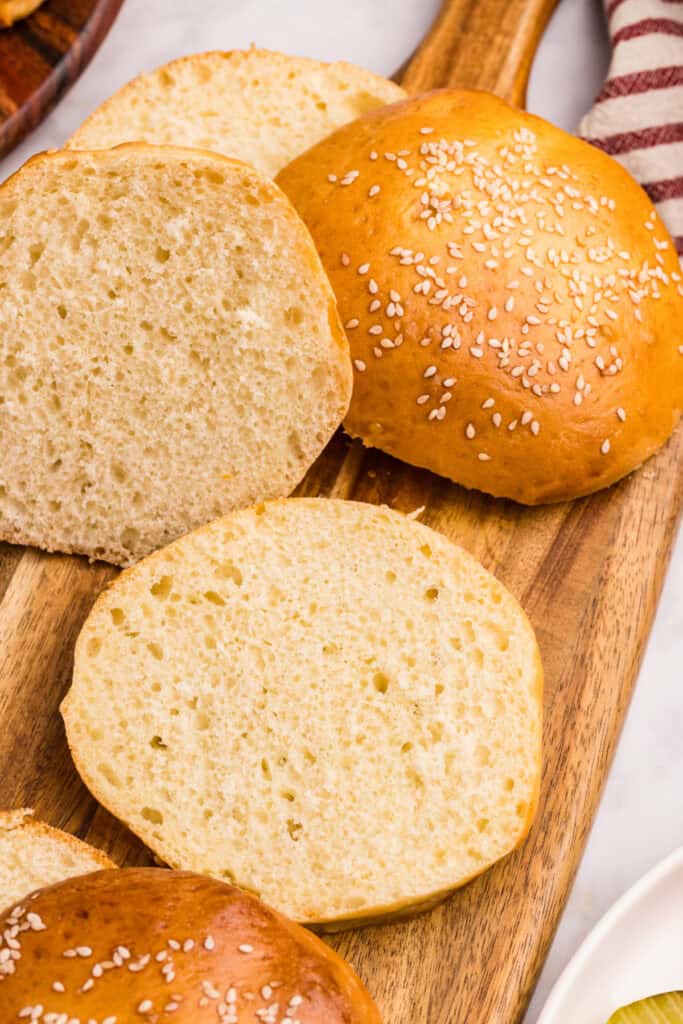
Homemade Hamburger Buns
Would you like to save this?
Equipment
- stand mixer with a whisk and dough hook attachment
- mixing bowl (large and small)
- digital kitchen scale (recommended)
- plastic wrap or clean kitchen towel
- rolling pin (optional)
- 4-inch biscuit cutter (optional)
Ingredients
- 2¼ teaspoons active dry yeast
- ¼ cup warm water, about 90°F
- 1 tablespoon granulated sugar
- 3 tablespoons granulated sugar
- 1 cup 2% milk
- ¼ cup unsalted butter
- 2 teaspoons salt
- 4½ cups all-purpose flour, (about 540 grams)
- 1 large egg
- 1 large egg
- 1 tablespoon warm water, for egg wash
- 1 tablespoon sesame seeds, optional
Instructions
- In a small bowl, combine the yeast, ¼ cup warm water, and 1 tablespoon of the sugar. Stir and let stand for about 5 minutes, or until foamy.2¼ teaspoons active dry yeast, ¼ cup warm water, 1 tablespoon granulated sugar
- In a small saucepan, combine the remaining sugar, milk, butter, and salt. Heat over medium-low heat until the mixture reaches about 90°F and the butter is mostly melted.3 tablespoons granulated sugar, 1 cup 2% milk, ¼ cup unsalted butter, 2 teaspoons salt
- Add 2 cups of the flour to the bowl of a stand mixer.4½ cups all-purpose flour
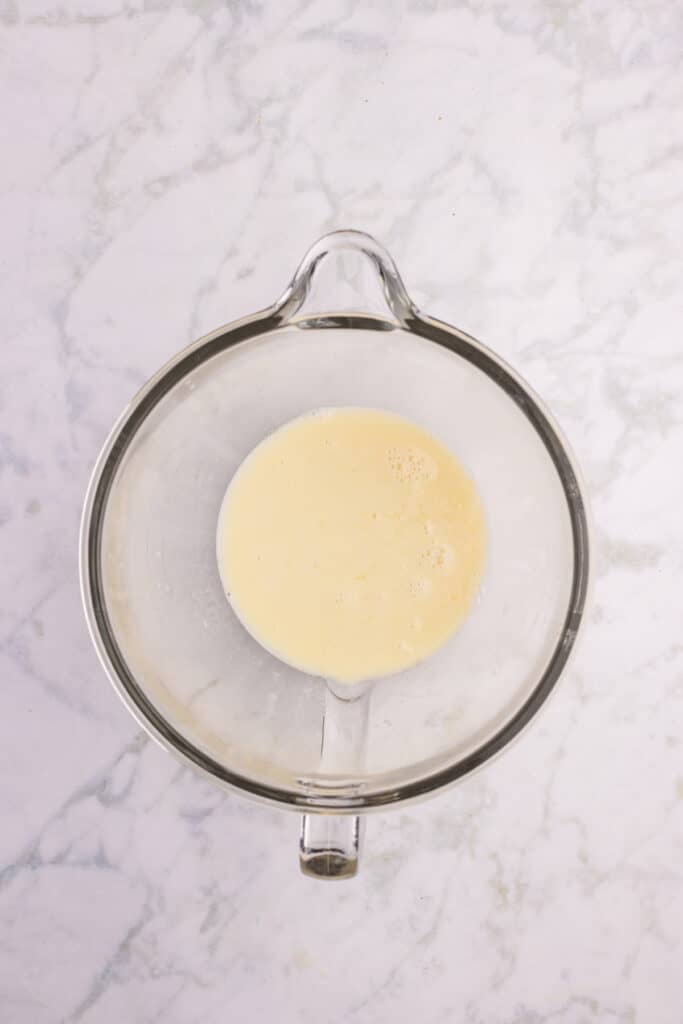
- Pour the warm milk mixture and yeast mixture into the bowl. Using the whisk attachment, mix until combined.
- Add one egg and mix until incorporated.1 large egg
- Switch to the dough hook attachment.
- Gradually add the remaining flour, about ½ cup at a time, until a soft dough forms. The dough should be slightly sticky but should pull away from the sides of the bowl while mixing.
- Knead on medium speed for 3 to 5 minutes until smooth and elastic.
- Lightly grease a clean bowl. Place the dough inside, cover, and let rise in a warm place for about 90 minutes or until doubled in size.
- Line two baking sheets with parchment paper.
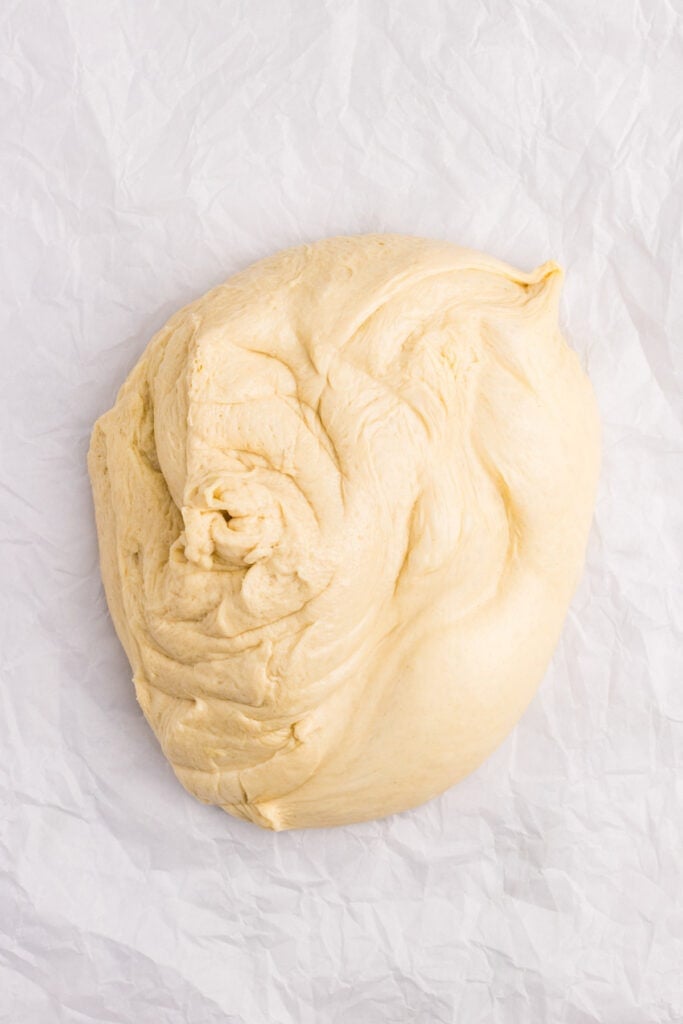
- Turn the dough onto a clean work surface.
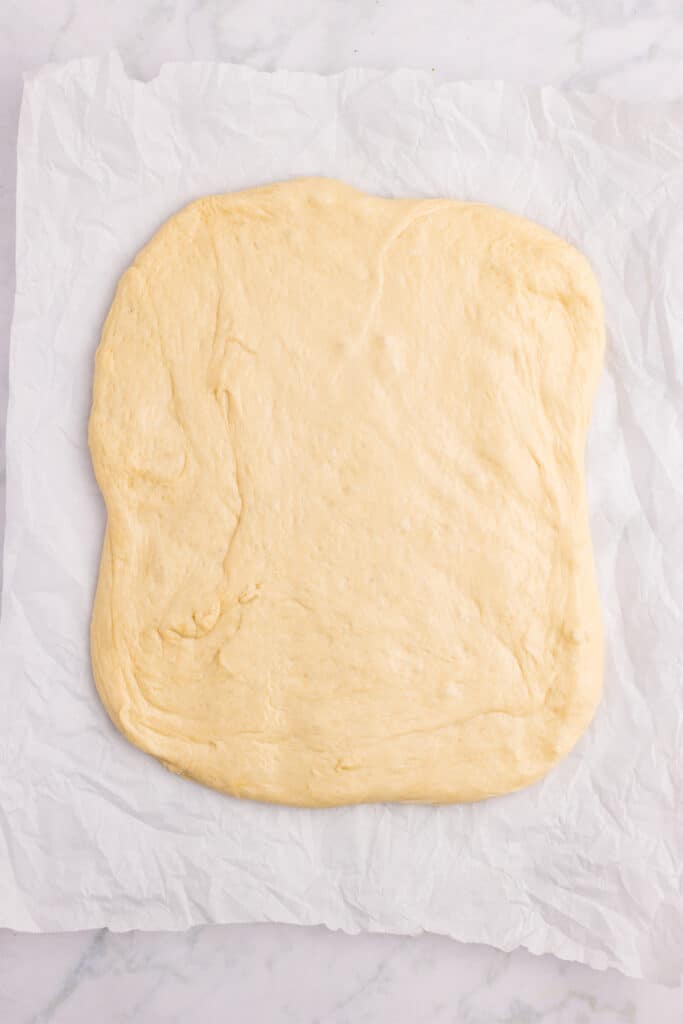
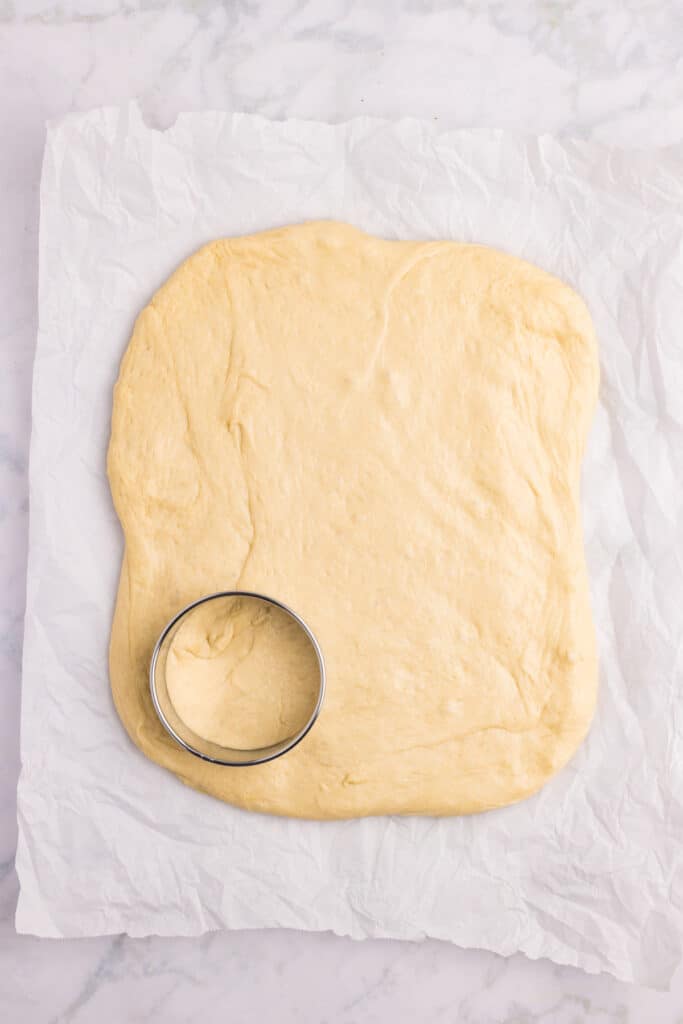
- Divide into 12 equal pieces and shape each into a smooth ball. (Alternatively, roll the dough to about 1 inch thick and cut with a 4-inch biscuit cutter.)
- Place the dough rounds onto the prepared baking sheets.
- Cover and let rise for another 30 minutes.
- Preheat the oven to 375°F.
- Beat the remaining egg with 1 tablespoon water to make the egg wash.1 large egg, 1 tablespoon warm water
- Brush each bun with the egg wash and sprinkle with sesame seeds if using.1 tablespoon sesame seeds
- Bake for 20 to 25 minutes or until golden brown.
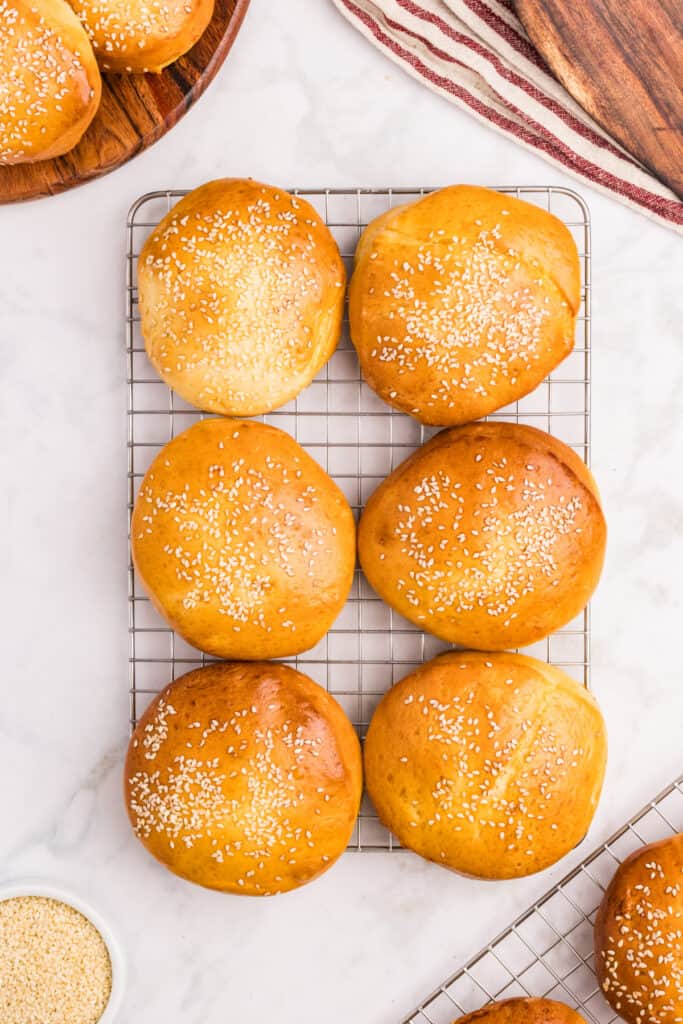
- Cool on the baking sheet for 10 minutes before transferring to a wire rack to cool completely.
Notes
Nutrition
Nutrition information is automatically calculated, so should only be used as an approximation.
🍽️ Other Recipes You May Enjoy
If you enjoyed this recipe, here are a few more reader-favorite recipes from Love Bakes Good Cakes you may want to try next.



Made this today using the bread machine on the “leaven bread” setting. There were no ingredient changes to the recipe however you must remember to add the ingredients in the order the bread machine manufacturer recommends. In addition, I did use the sauce pan to melt the butter plus warm the milk. Be sure to allow it to cool below 105* or you’ll kill the live yeast. Of course you’ll need to whisk the egg before adding it to the machine.
Now just run the cycle, remove the dough, weigh entire ball then divide by 12 (# of rolls expected) mine weighed 88 grams each then simply weigh out each puck, roll into balls, place on baking sheets cover for 30-60 minutes until just factionally smaller than desired size. Finish up with egg wash and sesame seeds if you like.
Bake them up!
Much simpler than I imagined and looking as good as Pepperidge Farm ever could. Give it a try.