This post may contain affiliate links. As an amazon associate, I earn from qualifying purchases. See my full Disclosure Policy for details.
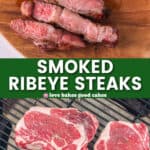
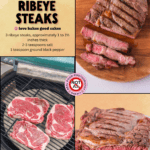
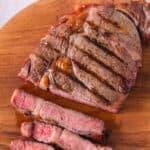
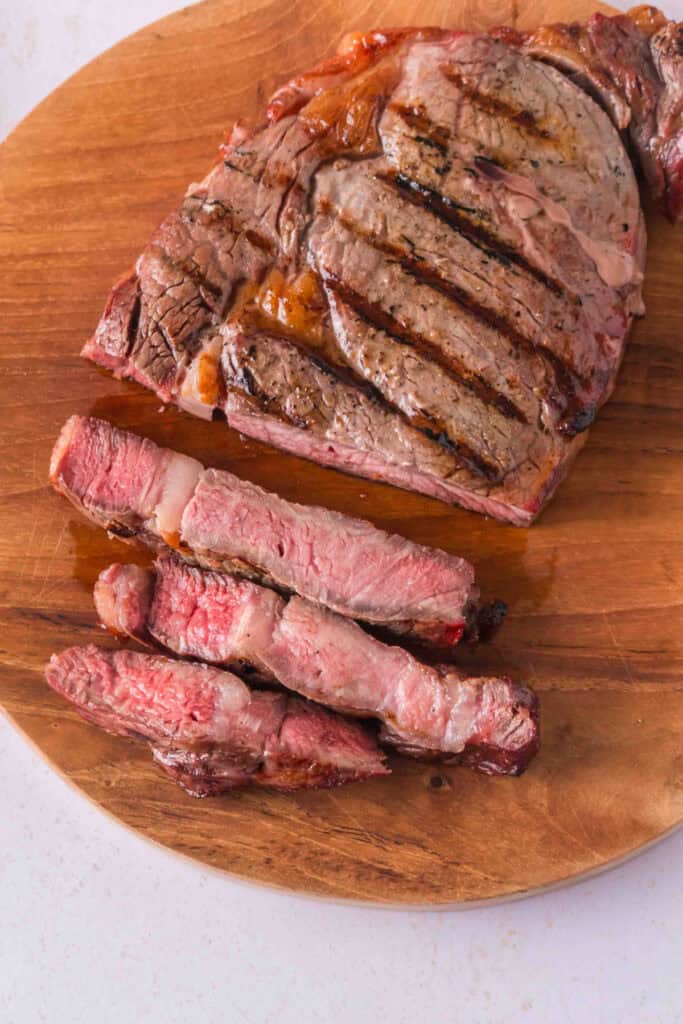
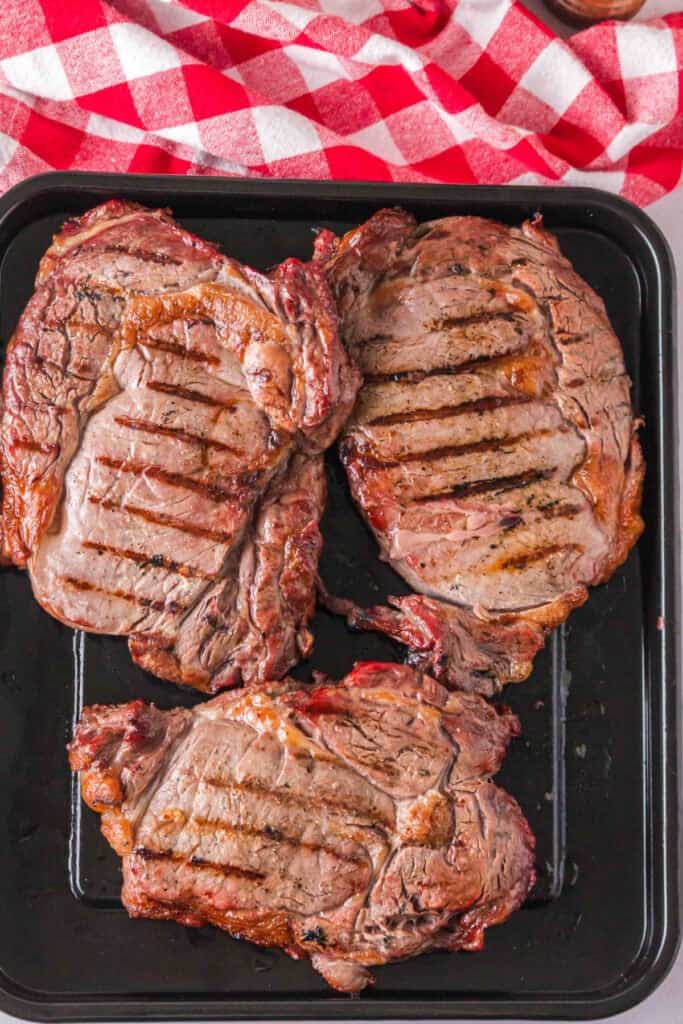
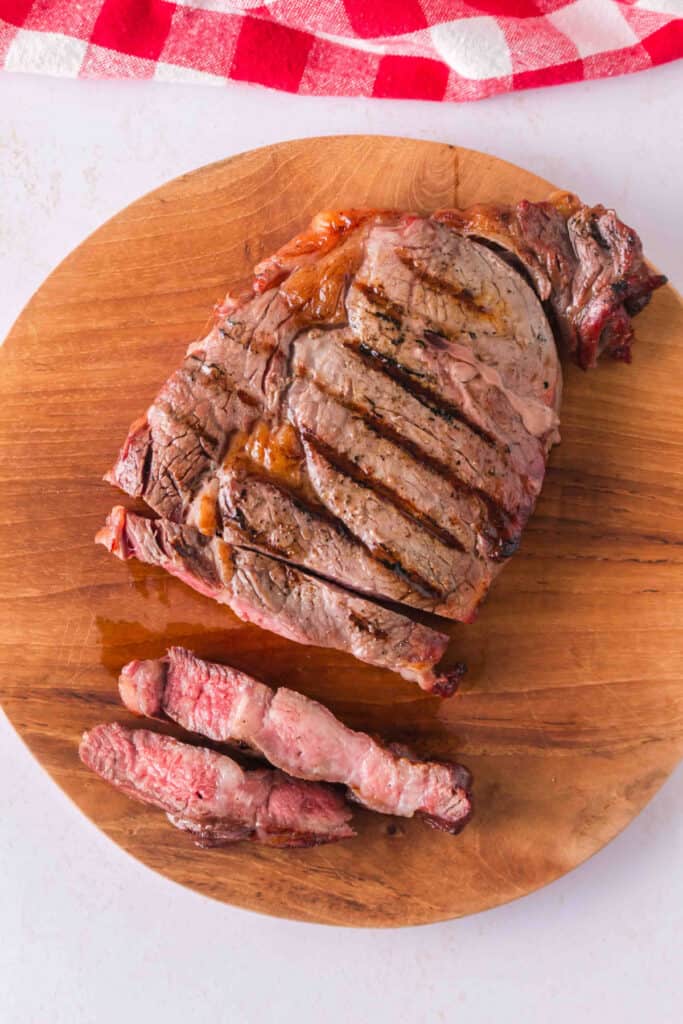
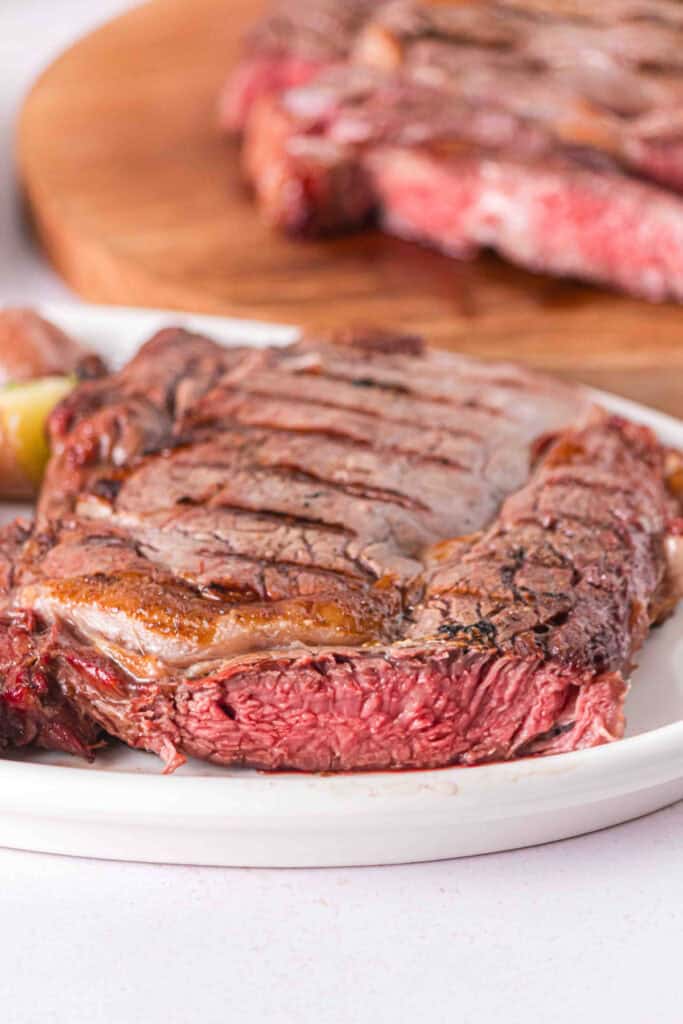
There’s something pretty hard to beat about a thick, juicy ribeye, but cooking it low and slow over smoke takes it to another level. These Smoked Ribeye Steaks cook slowly at 225°F before getting a quick, hot sear for that beautiful crust everyone wants on a good steak.
Want to see more Love Bakes Good Cakes recipes on Google?
You can make this recipe on a smoker or BBQ/grill using indirect heat. The method is essentially a reverse sear. The steaks cook slowly until they’re just below your preferred doneness, rest while the grill heats up, and then finish over high direct heat.
And if you don’t have a smoker or grill, you aren’t completely out of luck. The reverse-sear technique can also be adapted for the oven or an air fryer that can cook at 225°F. You won’t get the same smoky flavor, but you’ll still get a juicy steak with a beautifully seared exterior.
With nothing more than salt and pepper, the ribeye itself stays the star of the show.
Table of Contents
- ❤️ Why You’ll Love This Recipe
- What is a Smoked Ribeye?
- Key Ingredients
- Ingredients & Substitutions
- Variations
- Tips for Best Results
- FAQs
- Storage
- Quick Steps
- Make Ahead
- What to serve with Smoked Ribeye
- If You Enjoyed Smoked Ribeye
- 📌 Save This Recipe
- Smoked Ribeye Steaks Recipe
- 🍳 Alternate Cooking Methods
- ♻️ Leftovers
- 📝 Notes
- 🍽️ Other Recipes You May Enjoy
❤️ Why You’ll Love This Recipe
- Big steakhouse flavor at home. Slow cooking followed by a hot sear gives the ribeye a juicy center and flavorful crust.
- Only three ingredients. Ribeye, salt, and pepper are all you need for the basic recipe.
- Smoker or grill-friendly. Use your smoker or set up your BBQ/grill for indirect cooking.
- Easy to customize. Keep the seasoning simple or add garlic, onion, smoked paprika, chili powder, or cayenne.
- You control the doneness. A meat thermometer makes it easy to cook each steak to your preferred temperature.
- That reverse-seared crust. A final blast of high heat gives the outside great color without relying on high heat for the entire cook.
- Alternate methods are possible. You can use the same general reverse-sear technique in the oven or certain air fryers.
What is a Smoked Ribeye?
A Smoked Ribeye is a ribeye steak cooked slowly at a low temperature in a smoker or on a BBQ/grill set up for indirect heat. Instead of cooking the steak quickly over high heat from start to finish, the low temperature allows it to cook gradually while picking up smoky flavor.
This recipe finishes the steaks with a reverse sear. Once the steaks reach about 10-15°F below the desired final temperature, they come off the smoker or grill to rest. The cooking temperature is then increased to 450°F, and the steaks are finished over direct heat for 2-3 minutes per side.
The combination gives you the best of both worlds – smoky flavor and a nicely browned exterior.
Key Ingredients
NOTE: This section highlights ingredients used in the recipe. Find the full printable recipe in the recipe card below.
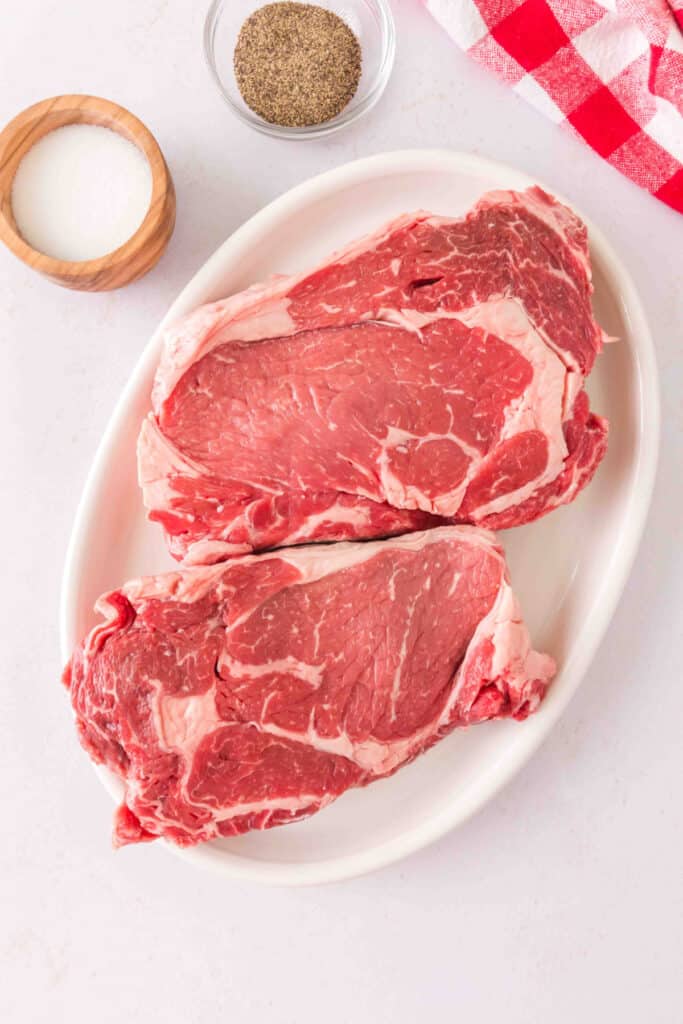
Ribeye steaks: Look for ribeyes approximately 1 to 1½ inches thick. Ribeye has plenty of marbling, which makes it especially well suited to slow cooking followed by a high-heat sear.
Salt: A generous seasoning of salt brings out the natural beef flavor. Fine salt is preferred for this recipe, although coarse salt can also be used.
Ground black pepper: You don’t need a complicated seasoning blend to make a great steak. Black pepper adds just enough bite while allowing the ribeye and smoke to remain the main flavors.
Ingredients & Substitutions
NOTE: This section suggests substitutions. Find the full printable recipe in the recipe card below.
- Ribeye steaks: Ribeye is the intended cut for this recipe and provides plenty of marbling for a rich, juicy steak. Another thick steak suitable for reverse searing can be prepared with the same general method, but cooking times will vary by cut and thickness.
- Salt: Fine salt is preferred because it distributes easily over the steaks, but coarse salt can also be used. The amount may need to be adjusted depending on the size of your steaks and the type of salt you use.
- Ground black pepper: Freshly ground black pepper can be used in the same amount or adjusted to taste. There isn’t a necessary substitute, although it can be reduced or omitted if preferred.
- Optional seasoning variation: Instead of using only salt and pepper, add onion powder, garlic powder, minced onion, and smoked paprika. For a spicy version, chili powder and cayenne pepper can also be added.
Variations
- Garlic and onion: Add garlic powder, onion powder, and minced onion to the salt and pepper for a more savory seasoning blend.
- Smokier seasoning: Add smoked paprika to complement the flavor from the smoker or grill.
- Spicy ribeye: Add chili powder and cayenne pepper to the seasoning for some extra heat.
- Loaded steak dinner: Roast onions and mushrooms while the steaks cook, then serve them alongside or over the sliced ribeye.
- Simple steakhouse style: Stick with nothing but salt and pepper. With a good cut of ribeye, simple seasoning lets the flavor of the beef shine.
- BBQ/grill method: If you don’t have a dedicated smoker, set up your BBQ or grill for indirect cooking at 225°F. Finish the steaks over direct heat at 450°F.
- Oven reverse-seared ribeye: Slowly cook the steaks in a 225°F oven before finishing them in a very hot skillet. You won’t get the same smoke flavor, but you can still use the reverse-sear technique.
- Air fryer ribeye: If your air fryer can be set to 225°F, use it for the low-temperature cooking stage and finish the steaks in a hot skillet.
Tips for Best Results
- Use a meat thermometer. Cooking time is only a guideline. The internal temperature of the steak is a much better indicator of when it’s ready for the next step.
- Use indirect heat first. When making the recipe on a BBQ or grill, set it up for indirect cooking during the 225°F portion of the recipe.
- Don’t cook all the way to your final temperature. Remove the steaks from the low-temperature cooking stage when they’re about 10-15°F below your preferred doneness. They’ll continue cooking during the rest and again during the final sear.
- Give thicker steaks enough time. Steak thickness affects cooking time, so don’t assume every ribeye will be ready in exactly 30-35 minutes.
- Season ahead when possible. Refrigerating the seasoned steaks overnight gives the salt more time to penetrate the meat.
- Don’t skip the sear. The low-temperature stage gently cooks the meat, while the high-heat finish creates the browned exterior.
- Start with dry steaks. Patting the ribeyes dry before seasoning helps prepare the surface for better browning later.
- Cook to temperature, not time. This is especially important when switching between a smoker, grill, oven, or air fryer because each appliance cooks differently.
FAQs
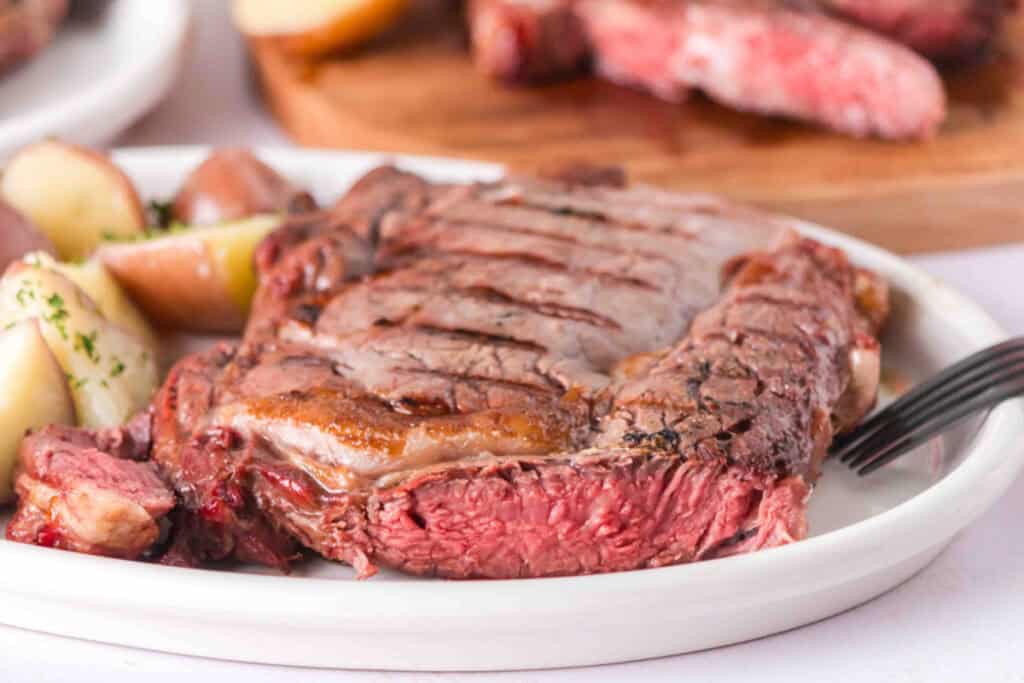
Cooking time depends on the thickness of the steaks and your preferred doneness. For the 1 to 1½-inch ribeyes used in this recipe, it took about 30-35 minutes to reach an internal temperature of 115-120°F. Use temperature rather than time as your primary guide.
Yes. Set up your BBQ or grill for indirect cooking at 225°F and cook the ribeyes until they reach about 10-15°F below your preferred final doneness. After the steaks rest for 15 minutes, increase the grill to 450°F and finish them over direct heat for 2-3 minutes per side.
The steak continues to cook during the resting period and again when it hits the high heat for the final sear. Stopping the low-temperature cooking stage 10-15°F early helps prevent the finished steak from becoming overcooked.
The recipe recommends refrigerating the seasoned steaks for at least 1 hour, but overnight is even better. Giving the salt more time allows the seasoning to penetrate deeper into the meat.
Absolutely. Salt and pepper keep the flavor simple and let the ribeye shine, but you can add onion powder, garlic powder, minced onion, and smoked paprika. Chili powder or cayenne can also be added if you want some heat.
Yes. The final sear is an important part of this recipe. The low-temperature cooking stage gently cooks the steak, while the high-temperature sear creates the flavorful, browned exterior.
Yes. Place the seasoned ribeyes on a wire rack set over a baking sheet and cook them in a 225°F oven until they reach about 10-15°F below your preferred final doneness. Finish them in a very hot skillet for about 2-3 minutes per side. The oven method won’t provide the same smoky flavor as a smoker or grill.
If your air fryer can be set to 225°F, you can use it for the low-temperature portion of this reverse-sear method. Cook the steaks until they’re about 10-15°F below your preferred final doneness, then finish them in a very hot skillet. Because air fryers vary considerably, use a meat thermometer rather than relying on a specific cooking time.
Leftover steak is perfect for fajitas, nachos, quesadillas, or burritos. Slice it thinly and add it toward the end of cooking so the already-cooked steak doesn’t become tough.
Storage
Allow leftover steak to cool before transferring it to an airtight container. Refrigerate the steak for 3-4 days.
For easier reheating and more options for leftovers, consider storing the steak whole rather than slicing all of it immediately.
Quick Steps
NOTE: This section includes a step-by-step guide. Find the full printable recipe in the recipe card below.
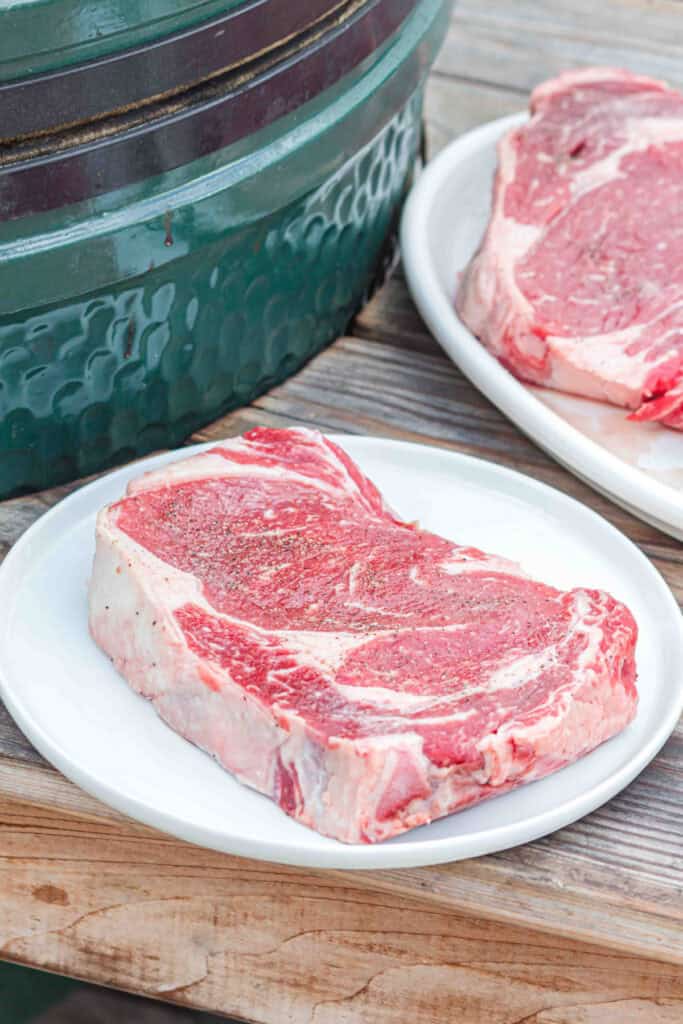
- Dry the steaks. Pat the ribeyes dry with paper towels and place them on a large plate.
- Season. Sprinkle both sides with salt and pepper.
- Refrigerate. Refrigerate the seasoned steaks for at least 1 hour or overnight.
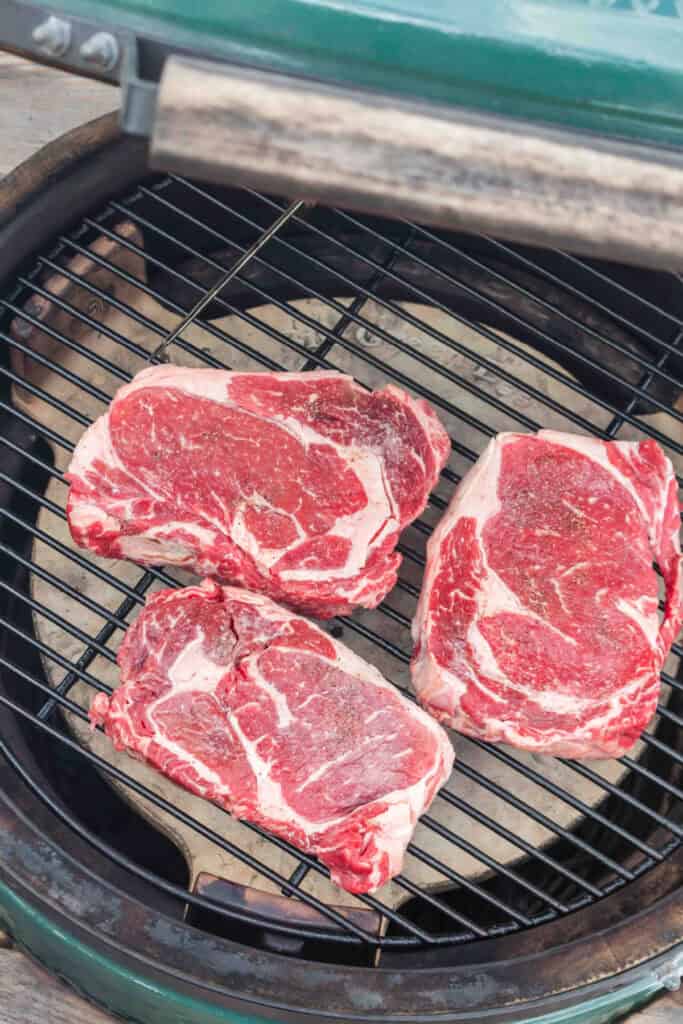
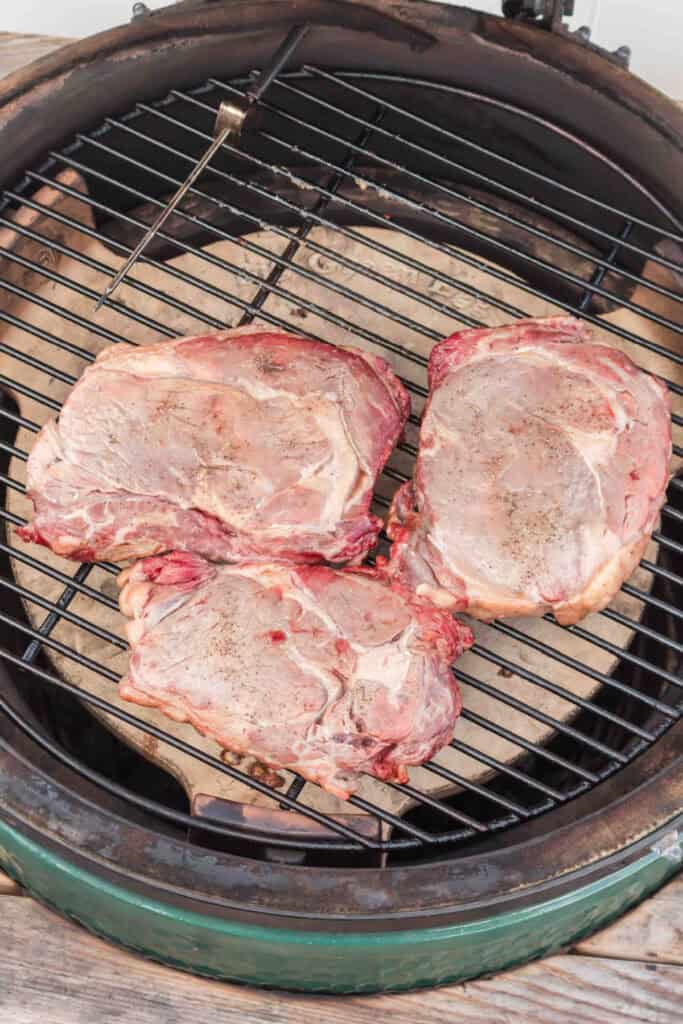
- Preheat. Heat the smoker or BBQ/grill for indirect cooking at 225°F.
- Smoke. Place the ribeyes directly on the grill and cook until they are 10-15°F below your preferred final doneness.
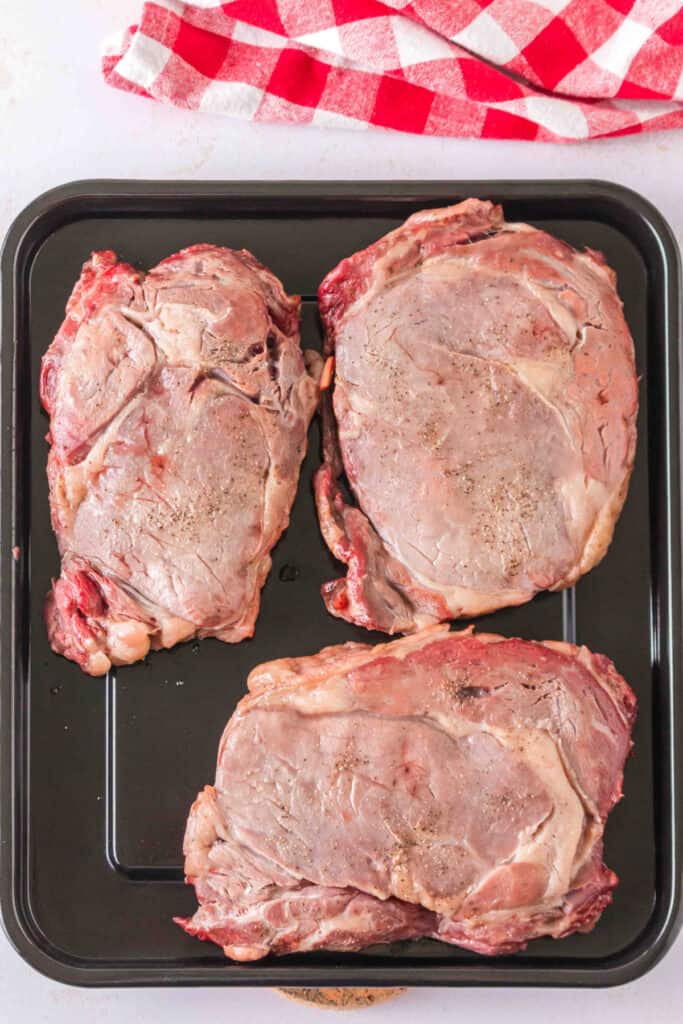
- Rest. Transfer the steaks to a tray and rest them in a warm, draft-free area for 15 minutes.
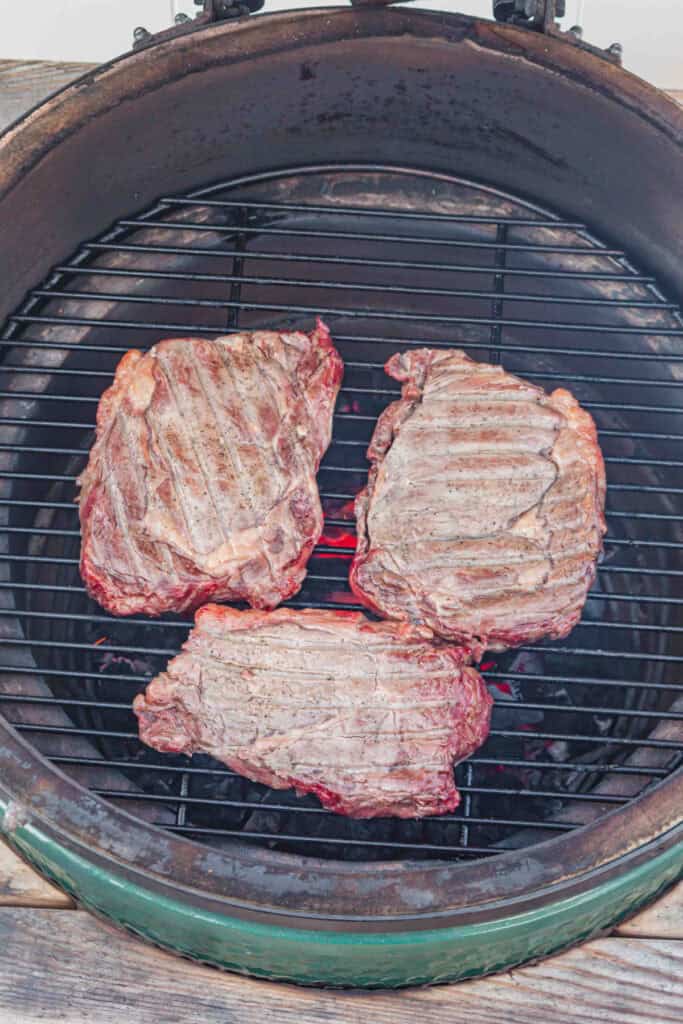
- Increase the heat. Bring the smoker or BBQ/grill to 450°F and prepare it for direct cooking.
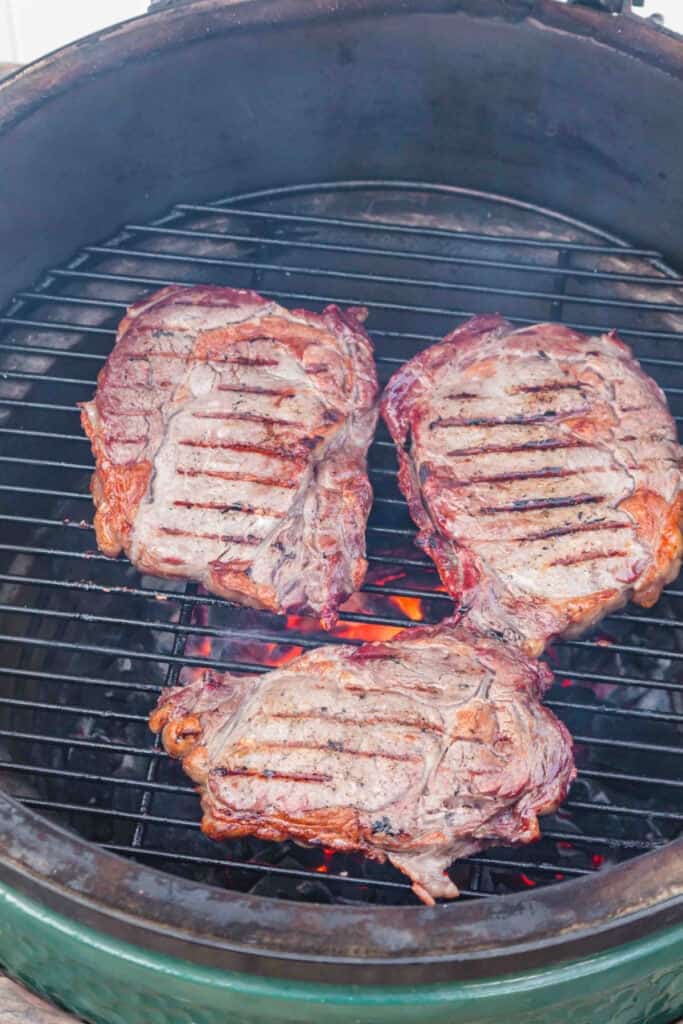
- Sear. Sear the steaks over direct heat for 2-3 minutes on each side.
- Serve. Remove the steaks from the grill and enjoy.
Make Ahead
The easiest way to get ahead on this recipe is to season the ribeyes the night before you plan to cook them.
Would you like to save this?
Pat the steaks dry, season both sides with salt and pepper, and refrigerate them overnight. This gives the salt more time to penetrate the meat and means the steaks are already seasoned when you’re ready to fire up the smoker or grill.
I wouldn’t fully cook the steaks ahead of time if you’re serving them for a special dinner. Ribeye is at its best when freshly cooked and seared.
What to serve with Smoked Ribeye
A steak this good doesn’t need complicated sides. Keep dinner classic with a baked or roasted potato and a fresh side salad.
Cheesy bread is another great option, especially if you’re feeding a hungry crowd. You can also roast onions and mushrooms while the steaks cook and serve them alongside the ribeye.
For a steakhouse-inspired meal, pair sliced reverse-sear Ribeye with a spinach salad tossed in homemade vinaigrette and your favorite potato side.
If You Enjoyed Smoked Ribeye
If you’re a fan of a good steak dinner, try my Air Fryer Steak Bites next. They’re an easy way to enjoy tender, flavorful pieces of steak without firing up the grill.
For another beef dinner that’s perfect when you’re craving something hearty, these Sheet Pan Steak Fajitas are a great choice. The steak and veggies cook together for an easy meal with plenty of flavor.
Complete your next steak dinner with Grilled Twice Baked Potatoes. They’re cheesy, comforting, and especially convenient when you already have the grill going for your ribeyes.
My Grilled Parmesan Zucchini makes a lighter side for Smoked Ribeye. It’s an easy way to add some veggies to the plate without leaving the grill.
You can also serve your steak with Grilled Garlic Bread. The buttery, garlicky bread is perfect alongside a juicy ribeye and keeps the whole meal cookout-friendly.
For something fresh on the side, try my Zesty Cucumber Tomato Salad. The crisp vegetables make a refreshing contrast to a rich, smoky steak.
And if you’d rather stick with a classic potato side, Air Fryer Baked Potatoes pair beautifully with ribeye. They’re an especially handy option when your smoker or grill is busy with the steaks.
📌 Save This Recipe
Save this Smoked Ribeye recipe to Pinterest so you have it ready for your next cookout, backyard BBQ, or steak night. It’s an easy method to come back to whenever you want a smoky, juicy steak with a beautifully seared exterior.
Pin this now to find it later
Pin It
Smoked Ribeye Steaks
Would you like to save this?
Equipment
- smoker/grill
- grill-safe thermometer
- large plate
- paper towels
- large tray
- grill tongs
Ingredients
- 3 ribeye steaks, approximately 1 to 1½ inches thick
- 2-3 teaspoons salt
- 1 teaspoon ground black pepper
Instructions
- Unpack the ribeye steaks and pat them dry with paper towels. Place them on a large plate.3 ribeye steaks
- Sprinkle the salt and pepper over both sides of the steaks. Refrigerate for at least 1 hour or overnight.2-3 teaspoons salt, 1 teaspoon ground black pepper
- Preheat the smoker or BBQ/grill for indirect cooking at 225°F.
- Place the ribeye steaks directly on the grill.
- Cook until the steaks reach an internal temperature about 10-15°F below your preferred final doneness. For steaks cooked to 115-120°F during this stage, this took about 30-35 minutes.
- Remove the steaks from the grill and place them on a tray. Let them rest in a warm, draft-free area for 15 minutes.
- Increase the smoker or BBQ/grill temperature to 450°F and prepare for direct cooking.
- After resting, sear the ribeyes over direct heat for 2-3 minutes on each side.
- Serve immediately.
Notes
Nutrition
Nutrition information is automatically calculated, so should only be used as an approximation.
🍽️ Other Recipes You May Enjoy
If you enjoyed this recipe, here are a few more reader-favorite recipes from Love Bakes Good Cakes you may want to try next.
Main Dish
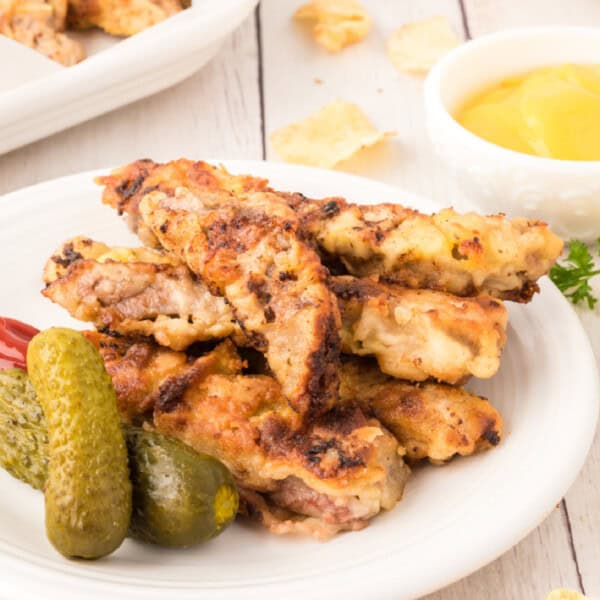
Steak Fingers
Main Dish
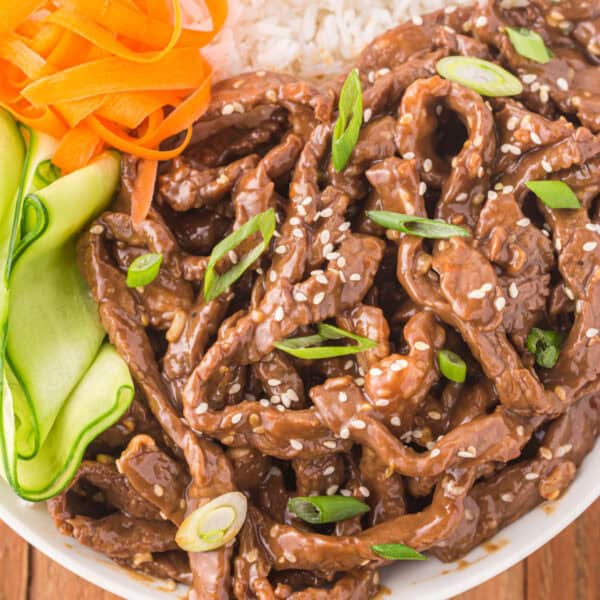
Easy Korean Beef Bulgogi Recipe
Chicken and Turkey
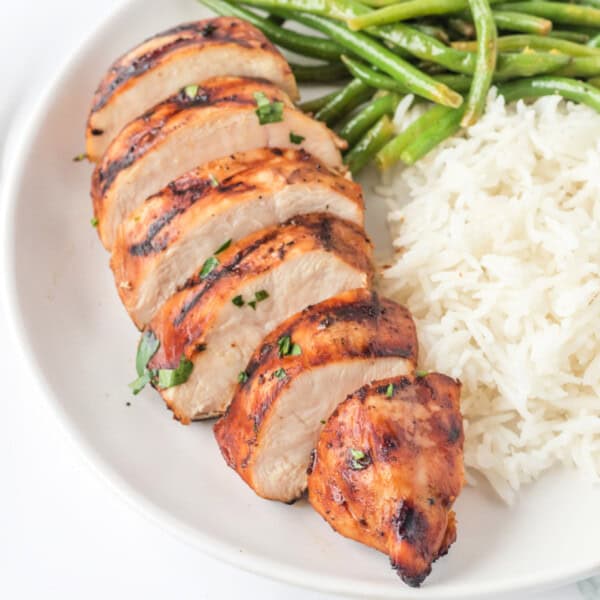
Grilled Balsamic Chicken
Main Dish